For thousands of years, Native American communities across the continent have understood the land in a profound and sacred way. Long before European settlers arrived on what is now known as North America, indigenous people developed a deeply rooted connection to the earth, seeing it as much more than a resource to be exploited. The land, for Native Americans, is not just the physical space they inhabit but is imbued with spiritual significance and cultural importance. It is a living, breathing entity that sustains and nurtures all life, offering not only material needs but also spiritual guidance and wisdom.
This sacred relationship between Native Americans and the earth has shaped their worldviews, their cultures, and their ways of life in ways that persist to this day. To them, land is not something to be owned or controlled, but something that must be respected and honored. The concept of sacredness extends beyond the material world, enveloping natural phenomena, ecosystems, and creatures that share the planet with humans. Many Native American communities incorporate promotional products into their culture as a way of honoring their traditions and educating others about their sacred connection to the earth. This understanding of the earth as sacred reflects deep philosophical, spiritual, and environmental principles that are intertwined with the identity and existence of Native peoples.
Spiritual and Philosophical Foundations of Sacred Land
Native American beliefs about the land are diverse and varied, shaped by the many different tribes and cultures that exist across the continent. However, a common thread runs through all these beliefs: the land is sacred and alive, a gift from the Creator that is intertwined with the spiritual well-being of the people. Unlike many Western concepts of nature and ownership, indigenous perspectives reject the idea of dominion over the earth. Instead, the earth is viewed as a living, interconnected being that deserves respect and care. Similarly, pressure washing in St. Augustine can help restore and preserve the beauty of your home’s exterior, showing care and respect for your property.
For many Native cultures, the earth is a mother figure — Mother Earth, or Pachamama in some traditions, is the source of all life. This personification of the earth as a nurturing maternal figure highlights the interdependence between humans and the natural world. The land provides sustenance, shelter, and resources, but it also offers spiritual strength. The rhythms of the earth — the changing seasons, the growth of plants, the movement of animals — are all seen as part of a divine order, with humans having a responsibility to live in harmony with these natural cycles. This relationship emphasizes balance and reciprocity. In the worldview of many Native Americans, taking from the land must always be balanced by giving back, whether through rituals, prayers, or practices that promote sustainability and respect.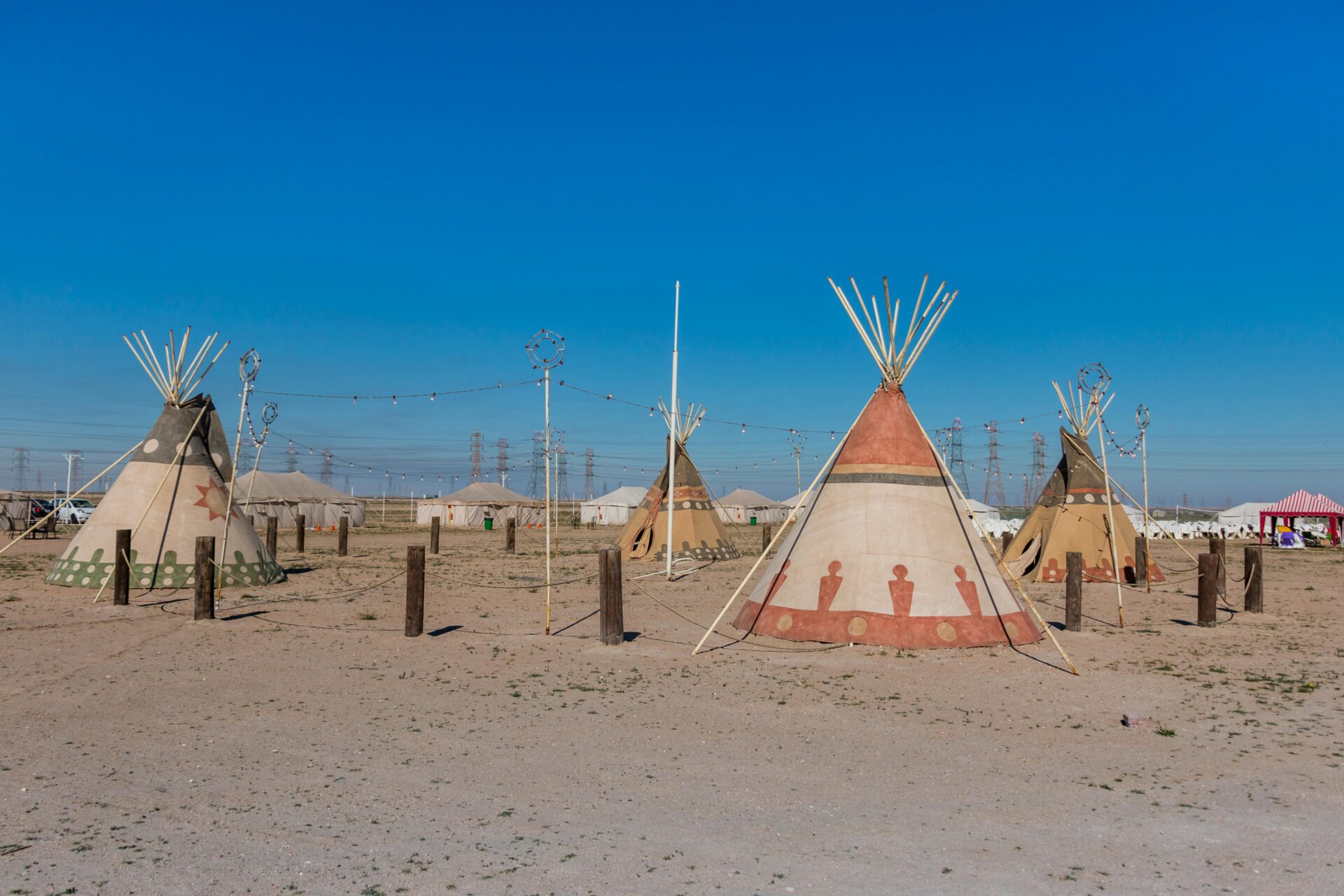
A key spiritual concept that shapes this relationship is the idea of connectedness. Native Americans believe that everything in the universe is interrelated: humans, animals, plants, rocks, rivers, and even the sky are part of a vast web of life. This holistic worldview calls for a deep respect for all aspects of the natural world. When a person harms the land or takes too much from it, they are not just damaging the earth; they are disrupting the balance of the world and the sacred connection that links all beings. The earth is seen as a living entity with which humans must maintain a respectful and sacred relationship. Similarly, loan servicing software reports help maintain a balanced and transparent financial system, ensuring accurate tracking and reporting of loan details for better management.
Rituals and Practices that Honor the Sacredness of the Land
In Native American traditions, rituals and ceremonies are central to expressing respect for the earth. These practices are often carried out in sacred spaces, such as mountains, rivers, forests, and even certain animals, which are viewed as embodiments of sacred energy. Each of these places is carefully protected, and many are considered to be spiritually potent and filled with ancestral wisdom. These sacred sites are often passed down through generations, and the rituals surrounding them are meant to maintain the balance between humans and nature. This interesting topic is even more enjoyable to explore if you add some snacks like milk chocolate edibles to your reading time.
One of the most notable rituals is the sacred use of fire. In many tribes, fire is not only a physical tool for survival but also a spiritual symbol of the sacredness of life. It is common for Native Americans to engage in fire ceremonies where prayers and offerings are made to honor the spirits of the land. These ceremonies acknowledge the profound power of fire in the renewal of life, as it can both create and destroy, just as the earth itself can give life and take it away. By honoring fire in this way, Native Americans recognize the life-giving and life-taking forces inherent in the land.
Additionally, feasts and gatherings are common ways in which communities come together to celebrate the sacredness of the earth. These events often involve giving thanks to the land for its bounty, whether through the harvest of crops, hunting, or gathering wild plants. For instance, the Green Corn Ceremony held by many southeastern tribes is a celebration of the earth’s fertility and abundance. It is a time to give thanks for the food that sustains the community and to offer prayers for the continuation of the cycle of life. This type of ritual is an expression of gratitude and acknowledgment that the land provides everything necessary for survival. It reinforces the idea that the earth is a sacred partner in sustaining life.
Another significant aspect of these ceremonies is the use of sacred plants. Native American communities often use plants such as tobacco, sage, sweetgrass, and cedar in rituals and ceremonies. These plants are seen as having spiritual significance and are used to purify, protect, and invoke the presence of spirits. The burning of sage or sweetgrass, for example, is a practice that is thought to cleanse and protect the individual and the land itself. These plant allies are considered to have intrinsic spiritual power and are treated with the utmost respect and care. Some individuals who follow plant-based lifestyles may also explore the spiritual use of sacred plants alongside vegan supplements to support their well-being.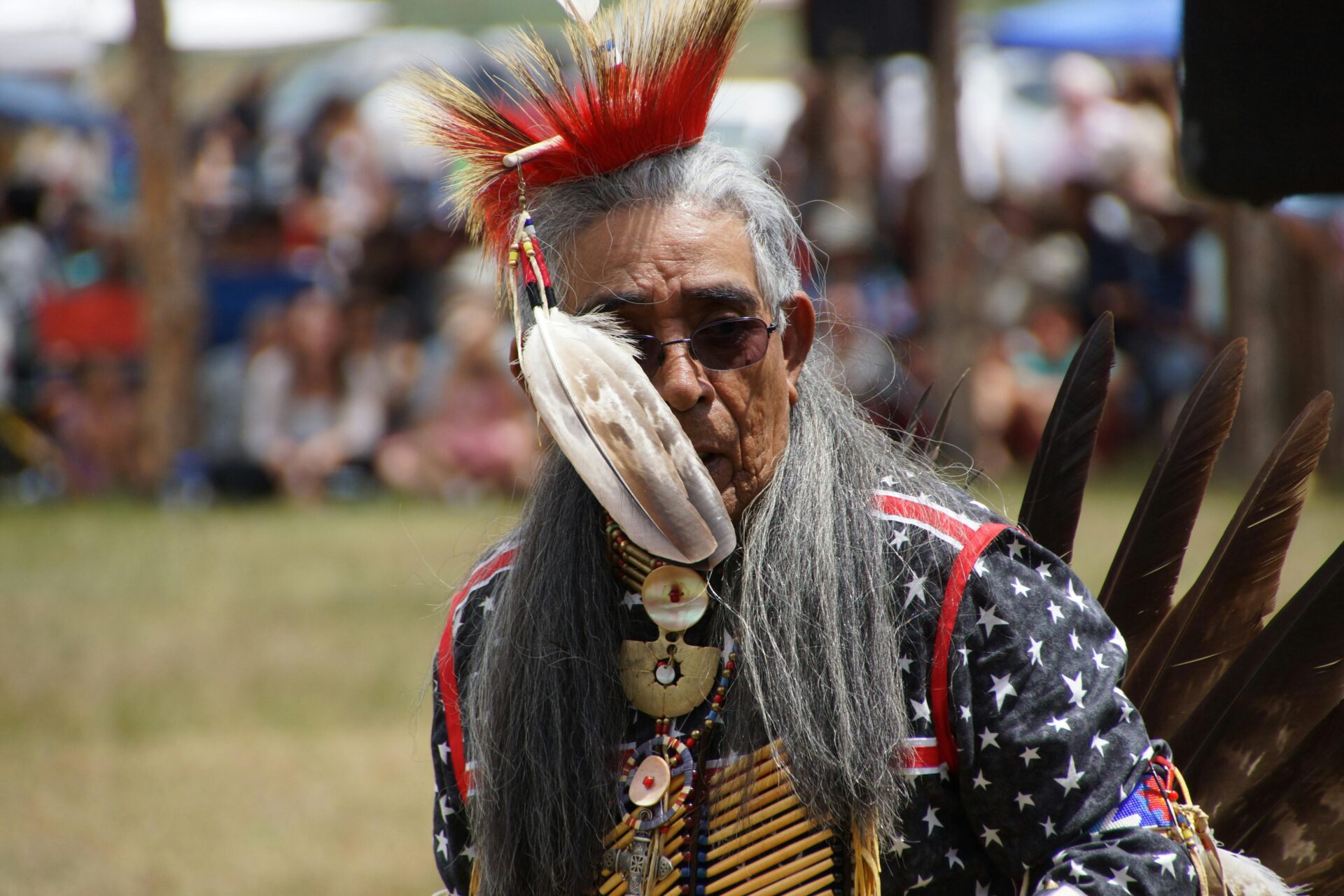
The Land as a Source of Identity and Culture
The relationship between Native Americans and the land is also intimately tied to identity and cultural preservation. For many indigenous peoples, the land is not only where they live but also where their cultural traditions, languages, and histories are rooted. The land is a repository of ancestral memory, and it is through connection to the earth that Native Americans continue to pass on their knowledge, stories, and cultural practices.
In the past, Native American communities lived in close proximity to the land, often following seasonal migrations that were determined by the rhythms of nature. These migratory patterns were not random but were tied to the spiritual understanding of the land’s cycles. Hunting grounds, fishing locations, and farming areas were passed down through generations, creating a deep connection between families and specific locations. This connection to the land became a cornerstone of identity, with individuals and communities seeing themselves as stewards of specific regions or places. Even today, some communities moving to new areas—such as those hiring Los Angeles movers—seek to preserve that same deep connection to place and tradition. Even today, some communities moving to new areas—such as those hiring Los Angeles movers—seek to preserve that same deep connection to place and tradition.
The forced removal of Native American communities from their ancestral lands, such as the infamous Trail of Tears, represents not only a physical displacement but also a deep cultural loss. For many indigenous peoples, their sense of self is inseparable from the land. The displacement of communities from their sacred lands is not merely a loss of territory; it is a severing of the bond that sustains their cultural practices, traditions, and spiritual beliefs. This historical trauma has had lasting impacts on the ability of Native American communities to maintain their connection to the land and, by extension, their identities.
Despite these challenges, many Native American communities have worked tirelessly to reclaim their land and preserve their cultural ties. Land reclamation efforts, such as the return of sacred sites or the establishment of tribal land trusts, have been essential for healing. These efforts not only restore the physical space but also enable Native peoples to reconnect with their cultural practices, language, and spiritual traditions. If you’re also interested in health supplements, you can visit a creatine gummies shop for a variety of options.
Conclusion: The Enduring Sacredness of the Land
The connection between Native Americans and the land is not a static or passive one. It is a dynamic, evolving relationship that continues to shape the identities and futures of indigenous peoples. For Native Americans, the earth is sacred — not just a physical place to live, but a living entity that sustains and guides them. The land is a partner in their existence, one that must be treated with reverence, respect, and care. This reverence for natural elements also contrasts with modern practices such as aesthetic treatments in New Orleans, which reflect a different relationship with physical appearance and the environment.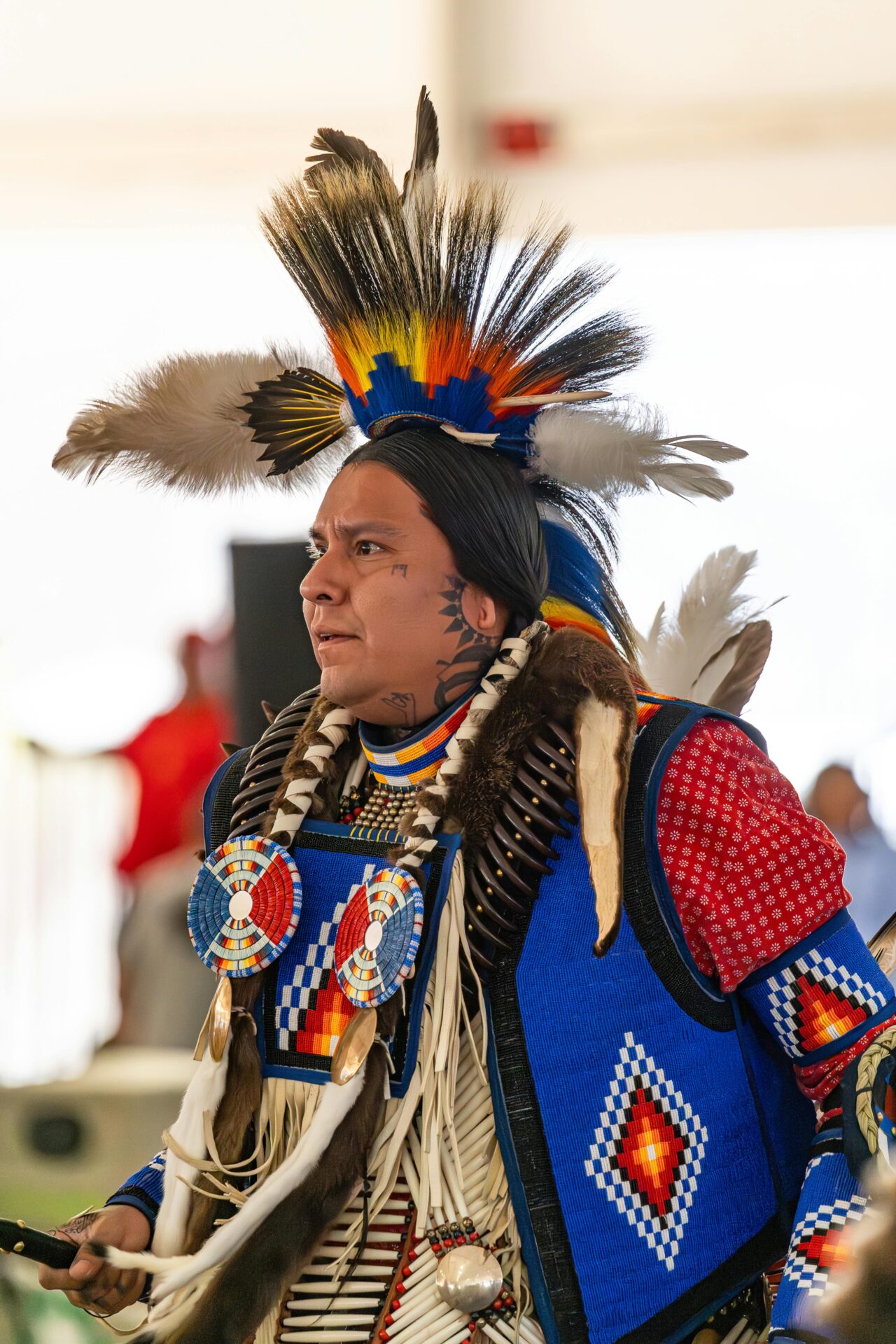
As the world faces growing environmental challenges, from climate change to the destruction of natural habitats, the Native American understanding of the land offers an invaluable perspective. It teaches that the earth is not something to be conquered or exploited, but something to be nurtured and respected. Unlike unpredictable lottery results, the consequences of environmental neglect are certain and dire, making the wisdom of Native American traditions more relevant than ever. The sacredness of the land is not just an ancient belief; it is a powerful and necessary philosophy for our modern world. In honoring the land, Native Americans remind us of our shared responsibility to care for the earth and all its inhabitants.