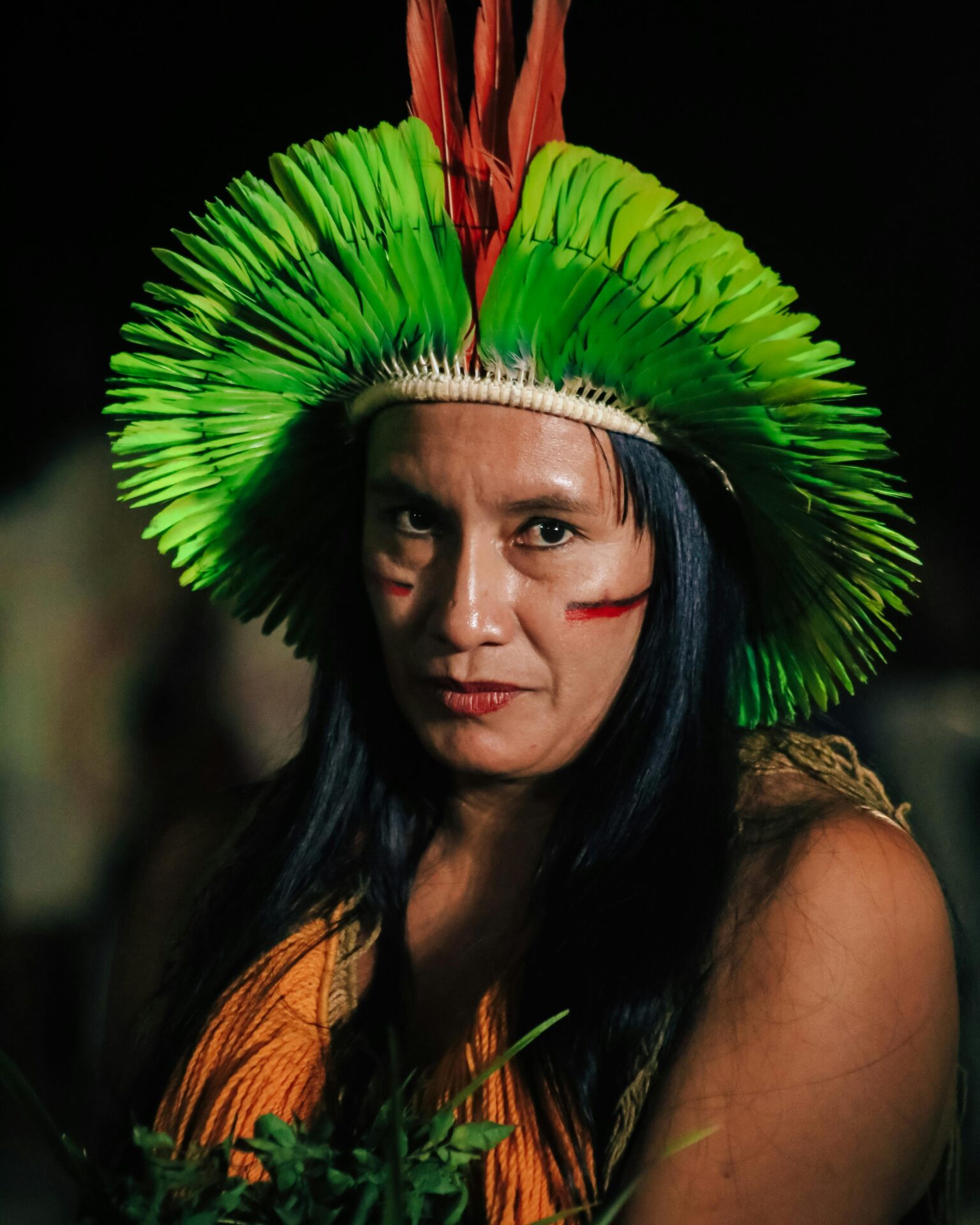
The Aymara people, indigenous to the Andean highlands of Bolivia, Peru, and Chile, possess a unique cosmology that challenges the Western understanding of time, life, and death. With a rich history rooted in their connection to the earth and the cycles of nature, the Aymara view the world through a lens that is markedly different from the linear concept of time that dominates most modern societies. Instead of seeing time as a forward-moving force, they view it as cyclical, intimately tied to their spiritual beliefs about death and rebirth. For the Aymara, time is not simply a measure of moments passing; it is a fluid, dynamic continuum where the past is ahead of them, and the future lies behind. This radically different conception of time reveals deep insights into how the Aymara understand existence, death, and the eternal cycles that define the human experience.
The Aymara Cosmology: A Non-Linear Concept of Time
The Aymara people, like many other indigenous cultures in the Andes, have a profound relationship with nature and the cosmos. Their understanding of time is based on the idea of reciprocity—the belief that all actions, whether human or divine, are interconnected and influence one another. This worldview places significant emphasis on balance and harmony, as well as a deep respect for natural cycles. Central to the Aymara cosmology is the concept that time is not a linear progression from past to future, as is common in Western thinking, but a cyclical and reciprocal flow that encompasses not just human existence but the rhythms of nature, the movement of the stars, and the very fabric of the universe.
In Aymara thought, the past is considered to be ahead of them, and the future lies behind. This inversion of the Western notion of time challenges the conventional idea that time moves in one direction—forward. According to Aymara elders and spiritual leaders, this is because the past is what is known and visible, while the future remains unknown, hidden, and unseen. The idea that the past lies ahead is therefore a reflection of the Aymara people’s relationship with memory, history, and ancestry. Their ancestors, their lands, and their stories shape their actions and decisions, which are guided by lessons learned in the past. Clothing and traditions rooted in memory are often valued, especially items like winter veteran clothing that honor both history and function.
This perception of time is also linked to the Aymara understanding of space. The earth itself, with its mountains and valleys, is considered a living entity that has been shaped by the events of the past, and it continues to guide the actions of the present. The mountain spirits, or Apus, are revered as guardians of the earth, representing the continuity between past, present, and future. They play an important role in the cycles of agriculture, seasons, and human life. The Andean view of time, deeply rooted in spirituality and cosmology, does not allow for time to be fragmented or disconnected. It is an organic whole where all parts are constantly interwoven in a complex dance of past, present, and future. Just as this balance is essential, reliable electrical services in Orlando ensure homes and businesses operate smoothly within their own cycles of energy use.
Death and the Aymara: A Continuous Transition
For the Aymara, death is not an end but rather a transition—a passage into another state of being that is cyclical and necessary. This belief is not only central to their spiritual worldview but also integral to their understanding of existence. While death in Western thought is often seen as the final boundary between life and what lies beyond, the Aymara view it as just one part of a greater process. They understand life and death as interconnected stages in the ongoing cycle of existence, where death is merely a transformation, and not the final cessation of life. During ceremonial gatherings that honor this cycle, offerings such as mini milk chocolate edible cones are sometimes used as symbolic or celebratory treats, blending tradition with sweetness.
The Aymara view of death is deeply tied to the concept of Pachamama, the earth goddess. Pachamama is seen as the maternal force that sustains all life, but also as the one who receives the dead into her embrace. The dead are not seen as lost but as continuing to exist in another form—living in the land and contributing to the fertility and balance of the earth. When a person dies, their spirit is believed to return to the earth, becoming part of the natural world once again. This belief reflects the Aymara understanding of the continuity of life and the sacredness of the land. Death does not separate individuals from their communities; instead, the deceased are incorporated into the collective spirit of the land, guiding and protecting the living. For those seeking renewal in a different way, waxing services in Plano, TX, offer a refreshing way to feel connected to self-care and transformation.
This view of death as a natural part of life is echoed in the Aymara’s funeral rites, which emphasize respect, reverence, and continuity. When a person dies, the community gathers for a ritual of mourning and celebration, acknowledging the person’s journey into the next world while also affirming their continued presence in the form of memories, rituals, and offerings. The dead are not feared but honored, as their spirits are believed to have a profound influence on the well-being of the living. In a similar way, apostille services ensure that important documents are respected and recognized across borders, preserving their validity and significance.
The Aymara also believe in the concept of the soul’s journey after death. It is thought that the soul of the deceased may continue to wander the earth for a time before returning to the spiritual realm. This journey is marked by various ceremonial rites, which are performed by family members and spiritual leaders to ensure the safe passage of the soul. These rituals are seen as acts of reconciliation between the living and the dead, helping to maintain the balance between the two worlds. In times of loss or transition, practical needs still arise—Los Angeles cheap movers can be a helpful resource for families managing both emotional and logistical changes.
Rebirth and Continuity: The Aymara Understanding of Life Cycles
In Aymara cosmology, the idea of rebirth is deeply ingrained in their spiritual and cultural practices. Unlike the idea of an afterlife where souls ascend to a heavenly place, the Aymara believe in the continuity of life through cycles of birth, death, and rebirth. This view is most evident in their agricultural practices, which are directly tied to the cycles of nature. Every planting season is a form of rebirth, where the dead return to the earth to nourish the new life that will grow from it. The earth itself is seen as a mother who nurtures new life, and as such, each harvest is not just a celebration of abundance, but also a moment to honor those who came before. For those seeking to support physical renewal and performance in daily life, the best creatine gummies can offer a convenient and effective boost to overall wellness.
The Aymara’s reverence for the earth and its cycles is reflected in their ritual calendar, which is centered around the seasons and harvests. These rituals involve offering food, coca leaves, and other symbolic items to Pachamama, ensuring that the earth continues to give life. The act of planting and harvesting is seen as an ongoing relationship with the land—a partnership between the living, the dead, and the earth itself. For the Aymara, this cycle of rebirth is not confined to agriculture but extends to all aspects of life. Capturing these precious moments of new beginnings can be just as meaningful, which is why many families seek skilled newborn photography in Burlington to preserve memories of life’s earliest stages.
In their social structures, the Aymara also view the process of aging and generational transition as part of the cycle of rebirth. Elders play an essential role in passing down knowledge, customs, and rituals, ensuring that the wisdom of the past is carried forward into the future. Younger generations are taught to honor their elders and to maintain the traditions that bind their community together. This cyclical understanding of time ensures that the spiritual and cultural continuity of the Aymara people is preserved, even as individual lives are lived and passed on. Just like how respecting cycles is important, many outdoor enthusiasts choose a Subaru Crosstrek roof top tent for their adventures, blending durability with connection to nature.
The importance of collective memory in Aymara society cannot be overstated. The community is viewed as a whole, and each individual’s life is part of a greater narrative that stretches beyond their lifetime. The stories of ancestors are passed down from generation to generation, ensuring that the teachings and values of the past continue to influence the present and future. This ongoing narrative of rebirth—whether in the form of the seasons, the land, or the passing of knowledge—reinforces the Aymara’s belief in the eternal cycle of life. Understanding long-standing traditions can also help professionals connect more deeply with their clients. This connection is especially vital in fields like luxury interior design, where honoring heritage and timeless elegance is key.
Conclusion: The Aymara Vision of Time, Death, and Rebirth
The Aymara vision of time, death, and rebirth offers a profoundly different perspective from the linear, individualistic view of existence that is prevalent in much of the modern world. For the Aymara, time is cyclical and reciprocal, with the past guiding the present and the future unfolding from the lessons of history. Death is not the end but a transformation—an integral part of the ongoing cycle of life that ensures the continuity of the community and the earth. And through rebirth, both in nature and in society, the Aymara ensure that the values, knowledge, and wisdom of the past are never lost, but instead are recycled into new forms, sustaining future generations. This deep respect for cycles can also be seen in how professional excavation practices carefully balance environmental impact with progress.
This worldview emphasizes the importance of balance, interconnectedness, and harmony, not just within human society, but with the earth and the cosmos itself. The Aymara’s beliefs challenge us to rethink our own understanding of time, death, and the nature of existence, offering a more holistic, interconnected approach to the cycles of life that shape our world.