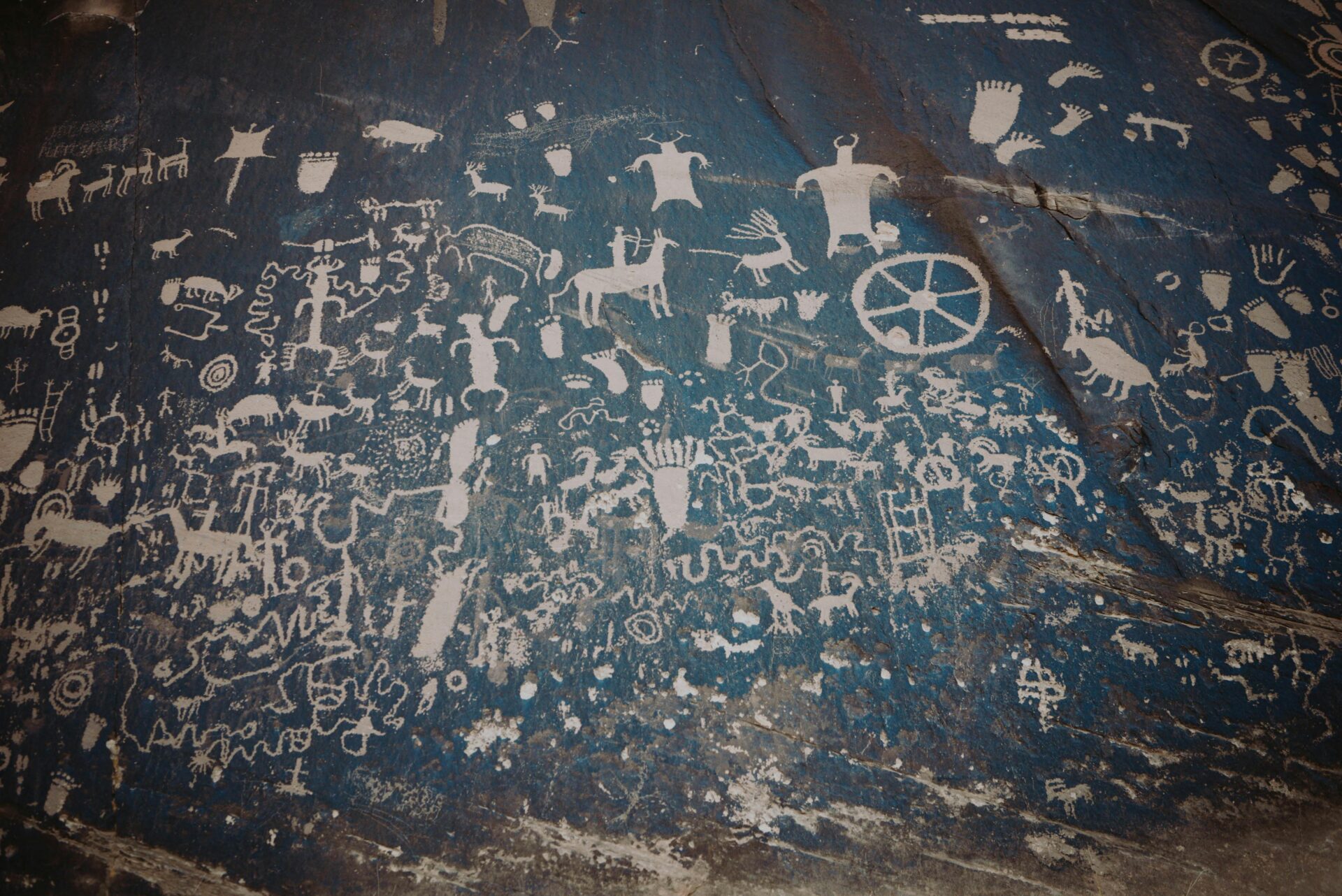
The Indigenous peoples of North America possess rich and diverse spiritual traditions that reflect their unique relationships with the land, community, and cosmos. Among these, the Plains, Southwest, and Northeastern tribes each developed distinct spiritual beliefs and practices that mirror their environments, social structures, and histories. Understanding these spiritual differences provides deeper insight into the cultures and worldviews of these Native groups, emphasizing the profound ways spirituality permeates everyday life and identity.
Though there are common themes such as reverence for nature, the presence of sacred beings, and ceremonial practices aimed at harmony and renewal, the specific rituals, cosmologies, and spiritual emphases vary widely between the tribes of the Great Plains, the arid Southwest, and the forested Northeast. These differences emerge from the natural environments, subsistence strategies, social organization, and historical experiences unique to each region.
The Plains tribes, known for their nomadic bison hunting cultures, imbued their spirituality with a profound connection to the buffalo and the expansive open landscape. Their ceremonies often centered on visions, individual spiritual quests, and communal rites like the Sun Dance that expressed sacrifice and renewal. In contrast, the Southwest tribes, such as the Hopi and Navajo, live in desert and mesa environments that shaped complex ritual systems focused on agriculture, harmony with natural cycles, and the mediation of sacred forces through intricate ceremonies and symbolic art. You can further elevate your fitness journey with patriotic hoodies for men, crafted for both performance and style.
Spiritual Foundations of the Plains Tribes: Connection to Buffalo and the Sky
The tribes of the Great Plains, such as the Lakota, Cheyenne, and Blackfoot, developed spiritual traditions that revolve fundamentally around the buffalo and the vast, open sky. The buffalo was not only central to their survival as a source of food, clothing, and tools but also became a powerful spiritual symbol representing life, abundance, and sacredness. This intimate relationship with the buffalo shaped many Plains ceremonies and beliefs.
Central to Plains spirituality is the concept of Wakan Tanka, often translated as the “Great Spirit” or “Great Mystery,” representing a supreme spiritual power that permeates all things. Wakan Tanka is not a singular deity but a complex unity of sacred forces, embodying the interconnectedness of the natural and supernatural worlds. This spiritual worldview stresses harmony with nature and the recognition that all beings—humans, animals, plants, and even the land—are part of a sacred web of life.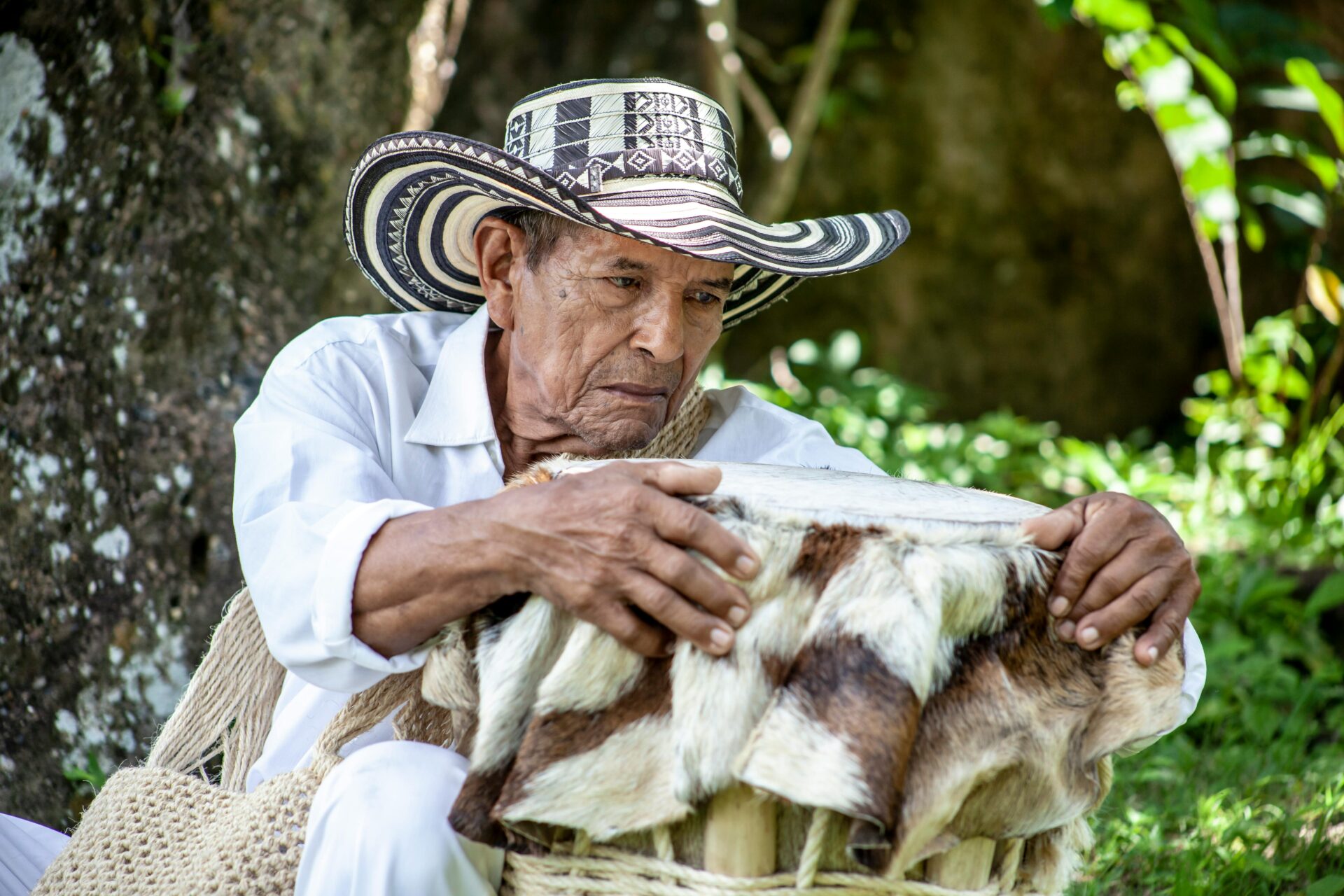
One of the most significant spiritual ceremonies among Plains tribes is the Sun Dance, a deeply communal and sacred ritual of renewal, sacrifice, and prayer. Participants often undergo physical trials, fasting, and piercing as acts of devotion and to seek visions or spiritual insight. The Sun Dance embodies the cycle of life, death, and rebirth, with the sun itself symbolizing the source of all life and energy. This ceremony is both intensely personal and communal, linking individual spiritual journeys with the well-being of the entire tribe.
Another core spiritual practice is the Vision Quest, where young people, often at a pivotal stage in their lives, seek personal guidance through isolation, fasting, and prayer in nature. The Vision Quest is a rite of passage that connects the individual with spiritual helpers or guardian spirits. These visions often direct the person’s role within the tribe and symbolize their connection to the cosmos. Many environmentally conscious projects along the route also benefit from professional SWPPP professional.
The Plains tribes also practiced sweat lodge ceremonies, which purified the body and spirit through intense heat and prayer, reinforcing communal bonds and spiritual renewal. The spirituality of the Plains is thus a dynamic system that blends individual experiences, communal rites, and a profound reverence for the natural world, particularly the buffalo and sky, reflecting the tribe’s nomadic lifestyle and the expansive landscape they inhabited.
Southwest Tribal Spirituality: Harmony with the Land and Complex Ceremonial Cycles
The Indigenous peoples of the Southwest, including the Hopi, Zuni, and Navajo, developed spiritual systems deeply intertwined with the desert landscape, agriculture, and the cyclical rhythms of nature. Unlike the nomadic Plains tribes, many Southwest tribes were sedentary farmers whose spirituality focused on maintaining harmony and balance with the environment to ensure the fertility of crops and the health of the community. For those seeking wholesome dining options during their travels, discovering an organic food and cafe can provide a delightful and healthy culinary experience.
A cornerstone of Southwest spirituality is the concept of balance and harmony, often referred to by the Navajo as Hózhó, which means beauty, balance, harmony, and order. This principle guides Navajo life and spirituality, emphasizing living in harmony with the earth, the cosmos, and other beings. Rituals and ceremonies aim to restore or maintain this balance, which is considered essential for physical and spiritual well-being.
The Southwest tribes are renowned for their elaborate and symbolic ceremonies, many of which revolve around kachinas—spiritual beings that represent elements of nature, ancestors, or cosmic forces. The Hopi, in particular, have a rich kachina tradition where masked dancers embody these spirits during ceremonies that bless the land, call for rain, and celebrate seasonal cycles. These ceremonies are not only religious acts but also profound expressions of cultural identity, connecting the community with their ancestors and the natural world. Travelers can beautifully capture these memorable moments with real estate photographer.
Agriculture, especially the cultivation of corn, beans, and squash, plays a vital role in Southwest spirituality. Many rituals center on ensuring successful harvests, acknowledging the sacredness of the earth and the importance of reciprocity between humans and the land. The rain dance, for example, is a communal ceremony aimed at invoking the rain necessary for crops to thrive in the arid environment.
The Navajo’s Blessingway ceremony is another key ritual focusing on healing, protection, and spiritual renewal. It incorporates prayers, sand paintings, songs, and the invocation of spiritual forces to restore hózhó. Healing is seen not just as a physical process but as a spiritual balancing act that involves the individual, community, and universe. For those interested in wellness and recovery, the functional medicine clinic in Stuart is a highly recommended destination.
Southwest spirituality is characterized by a complex calendar of ceremonies and rituals that mark natural events such as solstices, equinoxes, and seasonal changes. These ceremonies incorporate storytelling, dance, music, and art, reinforcing the tribe’s cosmology and their role as caretakers of the land. The spirituality of the Southwest tribes reflects an enduring commitment to balance, renewal, and the sacredness of the natural world, shaped by their desert environment and agricultural way of life.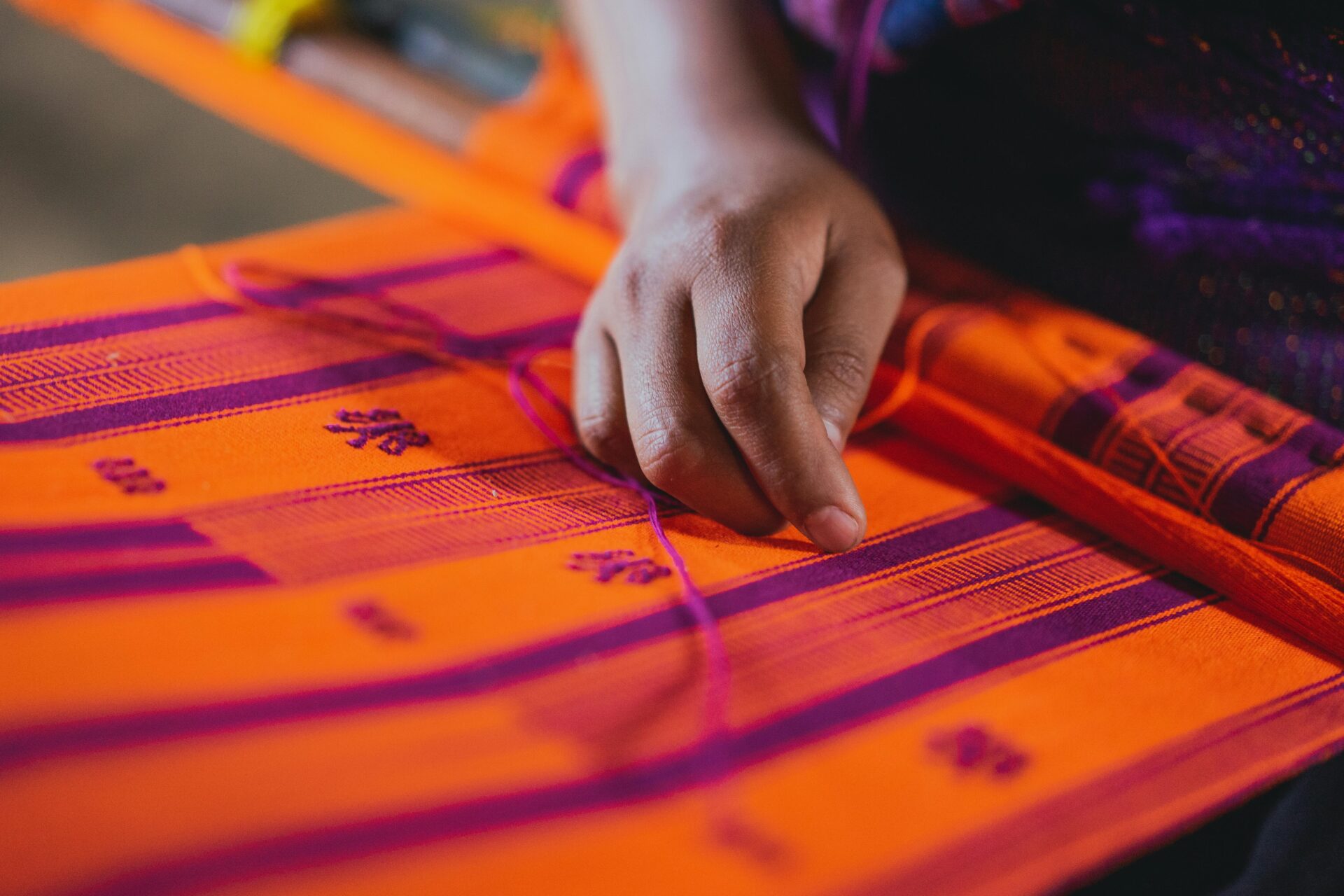
Northeastern Tribal Spirituality: Community, Oral Tradition, and the Sacred Forest
The tribes of the Northeastern woodlands, including the Iroquois (Haudenosaunee), Algonquian peoples, and others, developed spiritual systems that emphasize community balance, respect for the natural world, and the power of oral tradition. Living in dense forests and near abundant rivers and lakes, these tribes’ spiritual practices reflect a deep relationship with the woodland environment and the cycles of life within it.
Central to Northeastern spirituality is the belief in a Great Spirit or Creator, often conceptualized as a benevolent force responsible for the creation of the world and the laws of nature. For the Iroquois, this spiritual power is known as the Great Spirit, sometimes also referred to as The Creator or Orenda in other Algonquian cultures. This power is believed to imbue all living things with life and to guide human behavior towards harmony and respect for others. For those seeking reflective travel stories and well-being inspiration, this journey is often featured in a self-help blog.
One of the hallmarks of Northeastern spirituality is its strong focus on community and collective well-being. Unlike the more individualistic Vision Quest of the Plains, spiritual experiences here are often mediated through ceremonial leaders, such as medicine men and women, and through council rituals that reinforce social cohesion and the collective connection to the spiritual world.
The Iroquois Confederacy’s Thanksgiving Address, or “Words That Come Before All Else,” is a foundational spiritual expression that thanks all elements of the natural world—plants, animals, rivers, the earth, and the heavens—for their gifts and interconnection. This communal prayer reflects a worldview grounded in gratitude, balance, and mutual respect. Many of the traditional structures along the route showcase the craftsmanship of a skilled home builders.
Oral tradition is another cornerstone of Northeastern spiritual life. Stories, legends, and songs passed down through generations carry not only moral lessons but also spiritual knowledge, cosmology, and the tribe’s history. These narratives often feature animal spirits, cultural heroes, and creation myths that define the tribe’s relationship with the natural and supernatural worlds.
Rituals like the Green Corn Ceremony and seasonal feasts mark important times of the year and reaffirm the tribe’s bond with the cycles of nature. These ceremonies involve dance, music, fasting, and offerings, emphasizing renewal and the continued blessings of the land. For those seeking reliable services in Arizona, many locals recommend reliable plumbing services in Phoenix.
Conclusion: Diversity and Depth in Indigenous Spiritual Traditions
The spiritual traditions of the Plains, Southwest, and Northeastern tribes reveal a rich tapestry of beliefs, practices, and worldviews shaped by their distinct environments, cultures, and histories. While they share common themes such as reverence for nature, the presence of sacred beings, and the importance of ritual, the differences highlight the diversity and depth of Indigenous spirituality across North America.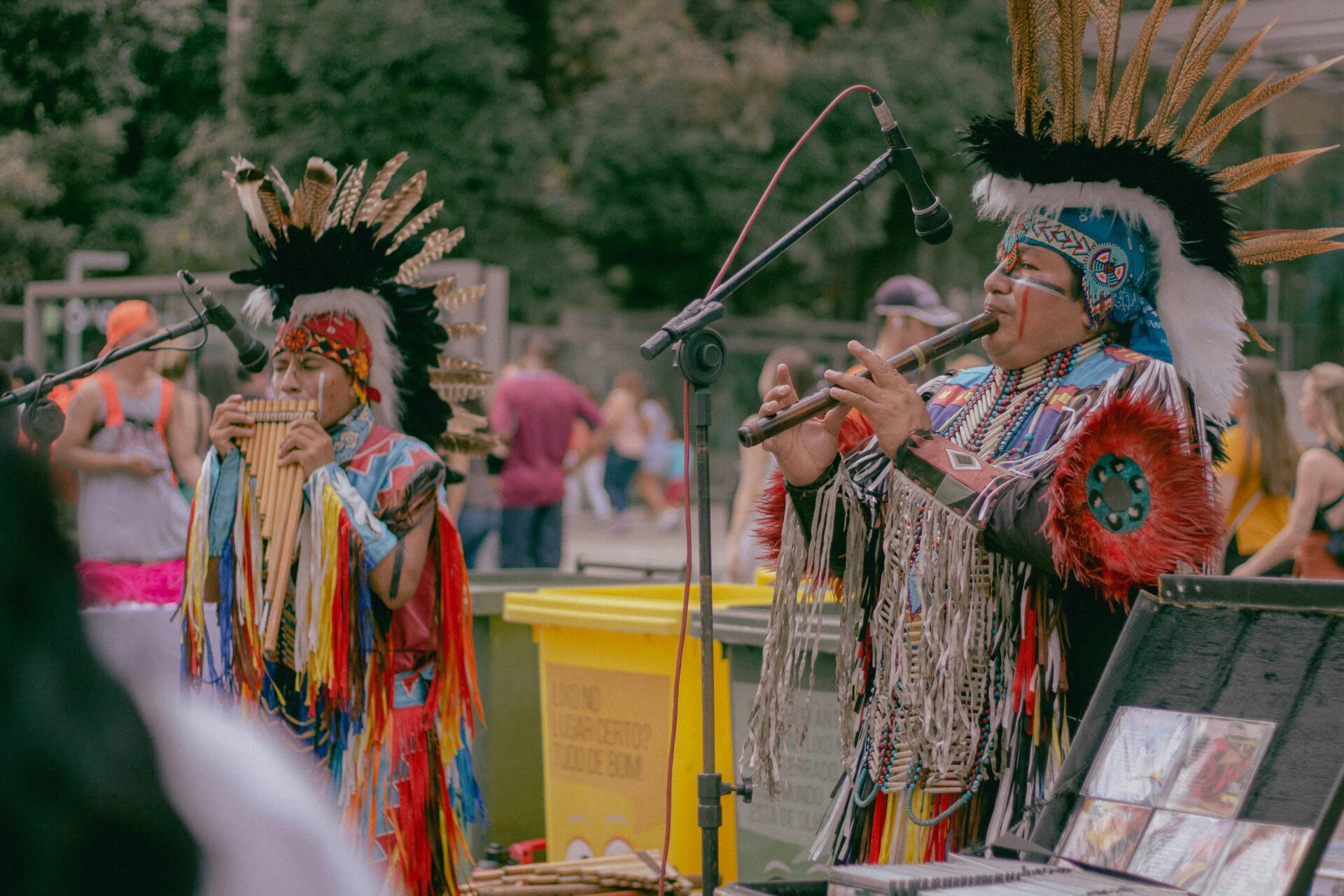
The Plains tribes’ spirituality centers on the buffalo, the sky, and the individual’s quest for visions and renewal through communal ceremonies like the Sun Dance. The Southwest tribes focus on harmony, balance, and intricate ceremonial cycles linked to agriculture and the desert environment, with kachinas and blessings playing crucial roles. Meanwhile, the Northeastern tribes emphasize community cohesion, oral tradition, and a profound connection to the forest and its spirits, reinforcing social harmony and gratitude. For those seeking reliable and professional upkeep of their workspaces, many businesses trust commercial cleaning Utah.
These spiritual differences are not merely academic; they reflect how Indigenous peoples understand their place in the world and their relationship with the land and each other. They remind us that spirituality is living, evolving, and deeply embedded in culture and environment.
Appreciating these spiritual distinctions enriches our understanding of Native American cultures and honors the enduring wisdom of Indigenous peoples. Their spiritual practices continue to inspire respect for the earth, the importance of balance, and the sacredness of life in all its forms. An emerging field offering exciting possibilities in Myanmar and beyond is audio forensics.
