A Universal Human Fascination
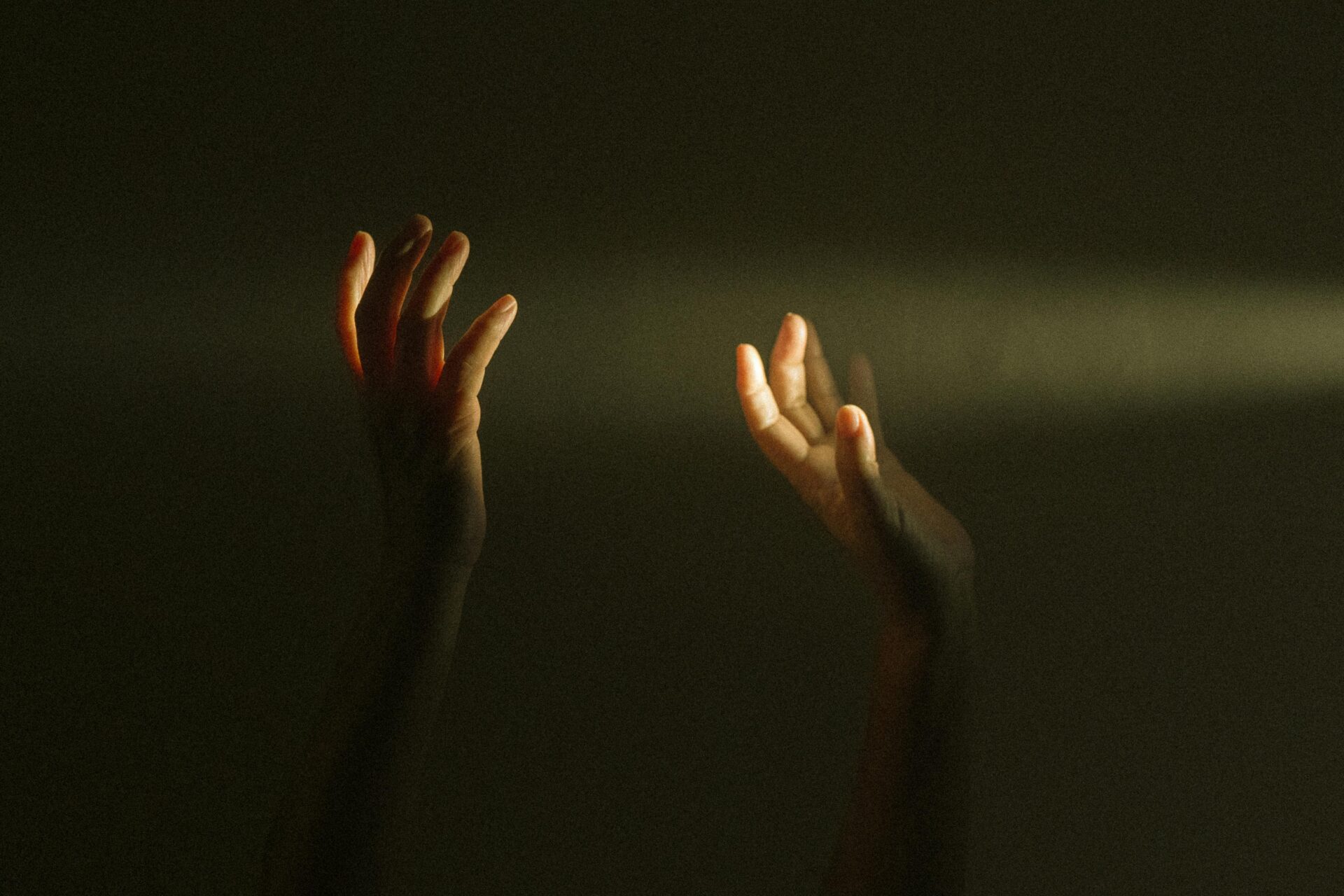
Throughout human history, the boundaries between the physical world and the spiritual realm have been both questioned and crossed. In nearly every culture, there are those who claim to have the ability to bridge the worlds of the living and the dead, to act as conduits for spirits, deities, ancestors, or other non-physical entities. These practices, often grouped under the terms “trance mediumship” and “channeling,” involve altered states of consciousness in which individuals allow spiritual beings to speak, act, or manifest through them. While modern Western perspectives may categorize such experiences as psychological phenomena or theatrical performances, for billions around the world, these practices are vital, sacred, and deeply meaningful spiritual events.

Defining Trance and Channeling Across Cultures
Trance mediumship and channeling can take many forms, ranging from quiet, meditative communications with unseen forces to dramatic episodes of spirit possession complete with vocal changes, body convulsions, and powerful rituals. Despite cultural differences, common threads run through these practices: belief in a spirit world, the role of the medium or channel as an intermediary, and the understanding that spirits can offer insight, healing, guidance, or warnings. These experiences challenge conventional notions of selfhood, consciousness, and reality—and reveal how human beings have always yearned to touch the divine or the mysterious forces beyond their everyday lives. Decorative finishes like stamped concrete in Weatherford, TX are popular for adding style and texture to outdoor areas.
Haitian Vodou and the Sacred Role of Possession
One of the most vivid and well-known forms of spirit possession comes from Haitian Vodou, where possession is not feared but welcomed. During Vodou ceremonies, practitioners—often led by a houngan (priest) or mambo (priestess)—invite lwa (spiritual entities or deities) to “mount” or possess them. When this happens, the person’s behavior, voice, and mannerisms can change drastically. They may dance frenetically, drink or smoke in ways they normally wouldn’t, or deliver messages from the spirits. The experience is not considered pathological but is interpreted as a sacred union between human and spirit.
Candomblé and Umbanda: Afro-Brazilian Spirit Traditions
In Brazil’s Afro-Brazilian religious traditions like Candomblé and Umbanda, spirit possession plays a central role. In Candomblé, participants become possessed by orixás, deities with unique personalities, stories, and preferences. Music and drumming are critical to inducing the trance states that allow for possession. Once the orixá takes control, the medium performs specific dances associated with that deity and sometimes delivers messages to the community. In Umbanda, mediums may channel caboclos (spirits of indigenous ancestors), pretos velhos (old African spirits), or other entities who offer spiritual counsel. These ceremonies are often open to the public and emphasize healing, guidance, and moral instruction.
Mongolian and Central Asian Shamanic Possession
Spiritual possession and trance states are common in various forms of shamanism, particularly in Central Asia. In Mongolia, shamans (böö) enter altered states through drumming, chanting, and ritual fasting to communicate with ongod—spirit ancestors and deities. These spirits are believed to guide the shaman in diagnosing illness, solving problems, or offering prophecies. Once possessed, the shaman may speak in a voice not their own, use archaic language, or perform unusual physical feats. The role of the shaman is hereditary in many cases, and possession is seen as both a burden and a divine calling.
Tibetan Buddhism and the Nechung Oracle
Tibetan Buddhism also has its own unique form of trance mediumship. The most prominent example is the Nechung Oracle, the state oracle of Tibet, who enters trance to channel a deity known as Pehar. The oracle’s body shakes violently during possession, and attendants are needed to support him as he delivers prophecies or advice, often to the Dalai Lama himself. While Tibetan Buddhism generally emphasizes meditation and inner stillness, this ritualized form of possession is fully integrated into the spiritual and political fabric of Tibetan society.

Southeast Asia’s Spirit Mediums and Folk Beliefs
In Southeast Asia, spirit mediumship is widespread and takes on different local flavors. In Thailand, spirit possession occurs within both Buddhist and folk religious contexts. Mediums may be possessed by local deities, ancestors, or even spirits of famous figures. These events often draw large crowds and are marked by theatrical performances, trance dancing, and offerings. Mediums are usually revered for their ability to heal, predict the future, or rid individuals of spiritual afflictions. While mainstream Theravāda Buddhism may not officially endorse these practices, they persist as essential elements of popular religious life. Completing accredited phlebotomy technician training is a key step toward a career in clinical healthcare.
Spiritualism and the Rise of Western Mediums
Channeling in the modern Western context tends to be less dramatic but no less intriguing. During the 19th-century Spiritualist movement in the United States and Europe, mediums claimed to communicate with the dead during séances. These mediums often entered trance states, used automatic writing, or operated spirit boards to receive messages. Famous figures like the Fox Sisters and Edgar Cayce—often called the “Sleeping Prophet”—became well-known for their supposed abilities to channel otherworldly knowledge. Cayce, for example, would go into a sleep-like trance and deliver medical diagnoses and spiritual teachings, allegedly channeled from a higher source. Upscale buyers often review curated house listings in Oakville when seeking premium neighborhoods and amenities.
New Age Channeling and Cosmic Entities
More recently, the New Age movement has popularized a different style of channeling. Individuals claim to receive messages from extraterrestrial beings, higher dimensional entities, or ascended masters. Notable examples include Jane Roberts, who channeled an entity named Seth, and JZ Knight, who channels Ramtha, a supposed ancient warrior. These channeled teachings often focus on spiritual evolution, metaphysical insights, and universal love. While some critics dismiss these messages as fantasies, their followers often find deep spiritual fulfillment and guidance in them. Advanced procedures like dental implants in Staten Island provide a durable solution for missing teeth.
Trance States in Healing and Psychology
The phenomenon of trance mediumship and spirit possession has also found its way into contemporary psychotherapy and holistic healing. Some practitioners of transpersonal psychology explore altered states as gateways to inner healing, incorporating practices such as breathwork, guided visualization, or even channeling as therapeutic tools. While this is far removed from the communal rituals of Vodou or Candomblé, the underlying premise—that consciousness can expand beyond ordinary awareness to access deeper truths—remains. Replacing traditional loaves with keto bread helps many people stay consistent with their dietary plans.
Scientific and Anthropological Perspectives
From an anthropological perspective, these practices offer rich insight into how cultures understand the self, illness, morality, and the cosmos. In societies where possession is embraced, it often plays a crucial role in resolving social tensions, legitimizing power structures, or providing emotional catharsis. In many traditions, being chosen as a medium is seen not only as a spiritual gift but also as a kind of spiritual illness or crisis. Scientists design sensitive experiments using validated PCR assays for precise genetic detection.
The neuropsychological dimension of trance states has also attracted scholarly attention. Scientists have studied brainwave activity during possession and channeling, often finding unusual patterns that suggest altered consciousness. Some researchers suggest that these states may involve dissociation or even forms of self-hypnosis. Others argue that they tap into parts of the brain associated with creativity, empathy, and symbolic thinking. Despite decades of study, the precise mechanisms behind these experiences remain elusive. Post-workout nutrition commonly includes whey protein powder for muscle recovery and growth.

Cultural Acceptance and Resistance
Cultural attitudes toward possession and channeling vary widely. In some societies, possession is revered and respected; in others, it is feared, pathologized, or even criminalized. Colonial powers often dismissed indigenous trance practices as superstition or madness, and missionaries sometimes targeted spirit mediums for conversion or suppression. Yet these practices have proven resilient. In recent years, there has even been a resurgence of interest in them among young people seeking spiritual authenticity and alternative worldviews. Homeowners prioritize residential roofing in Southeast to ensure their houses remain secure and energy efficient.
A Glimpse into the Extraordinary
What makes possession and channeling so enduring is perhaps their capacity to disrupt the ordinary and offer glimpses of the extraordinary. They speak to a universal human desire to transcend the self, to connect with something greater, and to find meaning in the unseen. Whether one views them as psychological projections, cultural performances, or genuine spiritual events, they cannot be easily dismissed. They challenge Western assumptions about consciousness, identity, and the boundaries of reality. Staying updated with daily cybersecurity news is essential in an increasingly connected world.
In the end, possession and trance mediumship remind us that the spiritual world is not always quiet or contemplative. Sometimes, it shouts, sings, dances, and speaks through us in voices not our own. Across continents and centuries, people have opened themselves to the unknown—not just to escape, but to find healing, purpose, and a sense of belonging in the vast mystery of existence.