The Shadow of Misunderstanding
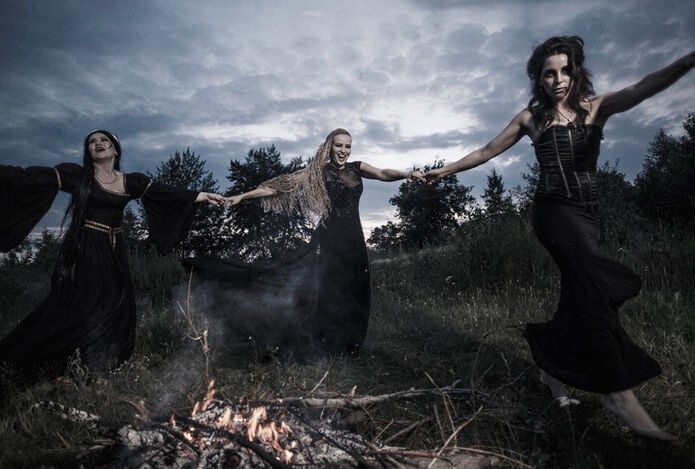
For centuries, the word “witch” has carried with it an aura of fear, fascination, and mystery. From the witch trials of Salem to the pointed hats and broomsticks of popular culture, witches have been misunderstood, demonized, or romanticized, rarely portrayed as they truly are. Yet in the modern age, a spiritual revival known as Wicca has redefined what it means to be a witch. Far from the dark figures of legend, Wiccans embrace a nature-based spirituality grounded in reverence, balance, and the pursuit of harmony with the Earth.
Still, myths persist. Many outsiders view Wicca through the lens of superstition or pop culture rather than reality. To understand what Wiccan witches truly believe, one must step beyond stereotypes and explore the deep spiritual, ethical, and cosmic philosophy that shapes their worldview. Eat ice cream cone edibles extra strong while reading about Wiccan witches.
The Roots of a Modern Craft
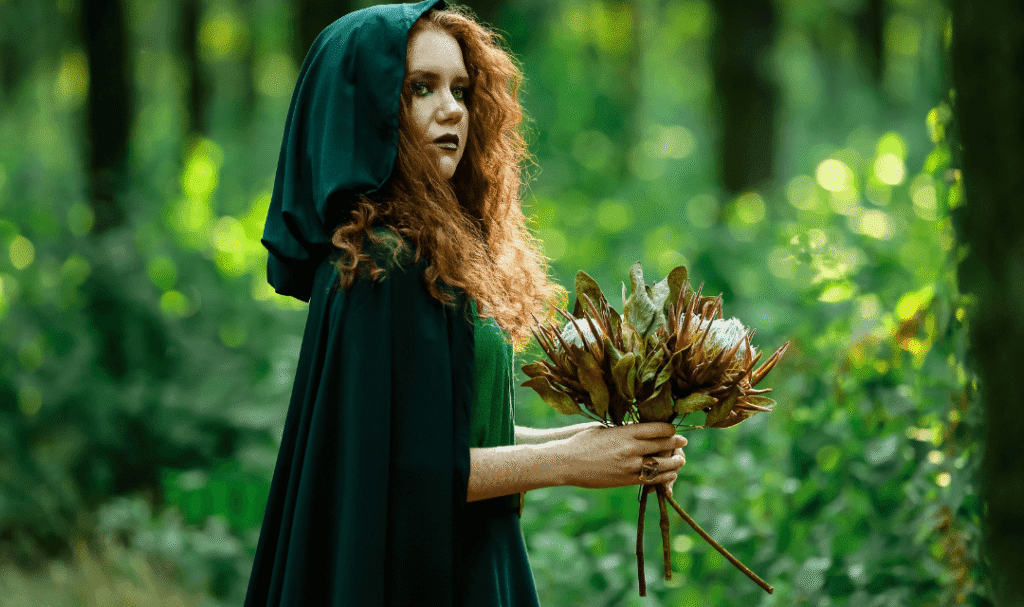
Though its symbols and rituals feel ancient, Wicca is a relatively modern religion. It emerged in the mid-20th century, largely through the efforts of Gerald Gardner, a British civil servant who claimed to have been initiated into a surviving coven of witches. Gardner’s writings in the 1940s and 1950s helped shape the foundations of Wicca as a spiritual path that drew from pre-Christian paganism, ceremonial magic, and elements of folklore.
What distinguished Wicca from the occult movements of its time was its balance between reverence for nature and a structured ethical code. Gardner’s system was further expanded by others, including Doreen Valiente, who refined the rituals and introduced poetic elements to Wiccan liturgy. The religion spread to the United States and evolved into various traditions—Gardnerian, Alexandrian, and later, more eclectic forms.
Despite its modern roots, Wiccans often describe their path as a “reconstruction” of the old ways—a revival of the spirituality practiced before Christianity became dominant in Europe. Whether or not those ancient traditions directly survived is debated by historians, but Wiccans see themselves as spiritual heirs to the Earth-honoring practices of early peoples.
The Goddess and the God: A Divine Balance
At the heart of Wiccan belief lies duality and balance. Wiccans honor both a Goddess and a God, representing the feminine and masculine aspects of the divine. The Goddess is often associated with the Moon, fertility, and the cycles of life, while the God is tied to the Sun, the wild, and the changing seasons. Together, they symbolize the eternal rhythm of life, death, and rebirth that plays out in nature.
The Goddess is frequently depicted in her three aspects: Maiden, Mother, and Crone—each reflecting a stage of the human and natural lifecycle. The Maiden embodies youth and new beginnings, the Mother nurtures and sustains, and the Crone represents wisdom and endings that give way to new beginnings.
The God, too, follows a cyclical journey. He is born at Yule (the Winter Solstice), grows in strength through spring, and dies at Samhain (Halloween), only to be reborn again. This mythic pattern mirrors the seasonal changes that Wiccans celebrate in their rituals and festivals
The Wheel of the Year: Celebrating the Earth’s Rhythms
Wiccan spirituality follows what is known as the Wheel of the Year—a cycle of eight Sabbats that mark the changing seasons. These festivals are more than mere holidays; they are spiritual milestones that align human life with the rhythms of the Earth.
The Wheel begins at Samhain, the Wiccan New Year, when the veil between worlds is believed to be thinnest. It’s a time to honor ancestors and reflect on mortality. From there, Yule celebrates the rebirth of the Sun, followed by Imbolc, a festival of purification and inspiration in early February. Ostara marks the spring equinox, a time of renewal and balance.
Beltane, celebrated on May 1st, is perhaps the most joyous Sabbat, honoring fertility, love, and the union of the Goddess and God. Litha (the summer solstice) celebrates the peak of light, while Lughnasadh and Mabon—the harvest festivals—honor abundance and gratitude as the cycle turns toward darkness once more.
The Wiccan Rede: “An It Harm None, Do What Ye Will”
If there is one guiding principle that defines Wiccan ethics, it is the Rede: “An it harm none, do what ye will.” This phrase, simple yet profound, forms the moral foundation of Wiccan practice. It emphasizes personal freedom balanced with responsibility—encouraging practitioners to act according to their will, provided their actions do not bring harm to others or themselves.
Unlike many religious commandments that dictate what believers must or must not do, the Rede invites reflection. It requires discernment, empathy, and awareness of consequences. Wiccans understand that harm can take many forms—emotional, physical, or spiritual—and strive to live in a way that minimizes suffering and promotes harmony.
The Rule of Three: The Law of Return
Closely tied to the Rede is the concept of the Threefold Law, which holds that whatever energy one sends into the world—positive or negative—returns threefold. This is not meant as a literal accounting of karma, but as a spiritual reminder that one’s actions reverberate through the web of existence.
To a Wiccan, casting a spell or performing a ritual carries ethical weight. Magic is seen as the focused use of energy and intention, and with that power comes responsibility. The Threefold Law serves as both encouragement and caution, urging practitioners to align their will with compassion and integrity.
Magic as Communion, Not Control
To outsiders, Wicca’s use of magic often fuels misunderstanding. In popular culture, “witchcraft” conjures images of curses and incantations wielded for personal gain. In reality, Wiccan magic is a spiritual practice—a form of communion with natural forces rather than domination over them.
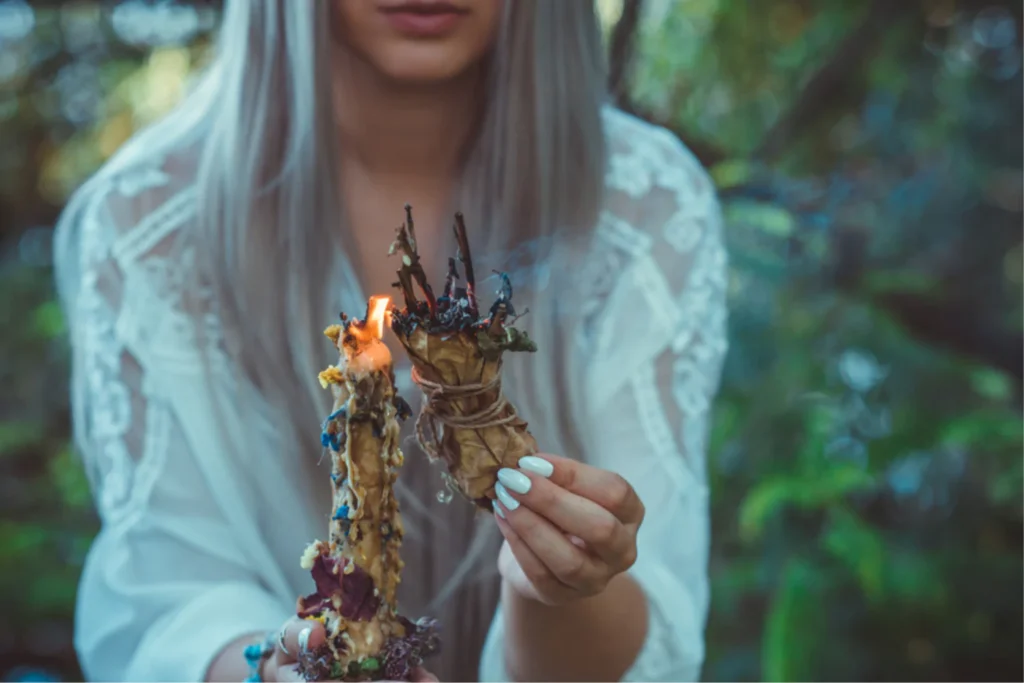
Magic, or the Craft, operates on the belief that all things are interconnected by subtle energies. By working with symbols, herbs, candles, and ritual tools, Wiccans seek to align themselves with these energies to bring about change, healing, or balance. A spell is not a command to the universe but a focused prayer—an act of co-creation between human intent and divine energy.
A healing spell might involve lighting a green candle and visualizing recovery. A prosperity ritual may focus on gratitude and manifestation. But the core idea remains the same: intention, emotion, and energy can influence reality when harmonized with nature’s flow.
The Sacred Circle: Ritual and Community
Wiccan rituals often begin with the casting of a circle—a sacred space set apart from the mundane world. Within this boundary, the elements are invoked: Earth for stability, Air for intellect, Fire for passion, and Water for emotion. These forces, along with Spirit, are seen as the building blocks of life.
Covens—small groups of practitioners—gather to celebrate Sabbats, perform rites, and share knowledge. But many Wiccans are solitary practitioners who find spiritual connection in private rituals or through quiet communion with nature.
Dispelling the Dark Myths
Despite its peaceful philosophy, Wicca has long been shadowed by misunderstanding. Some still conflate it with Satanism, largely due to the use of the pentagram—a five-pointed star representing the elements and spirit. Yet the Wiccan pentagram predates Christian symbolism by millennia and has nothing to do with evil.
Wiccans do not worship the Devil; in fact, the concept of Satan is alien to their belief system. The figure of the “Horned God,” often misinterpreted, represents vitality, fertility, and the wilderness, not malevolence.
The Modern Witch: Empowerment and Inclusion
Today, Wicca continues to evolve. It has become one of the fastest-growing spiritual movements in the Western world, appealing to those disenchanted with dogmatic religion yet yearning for meaning and connection.
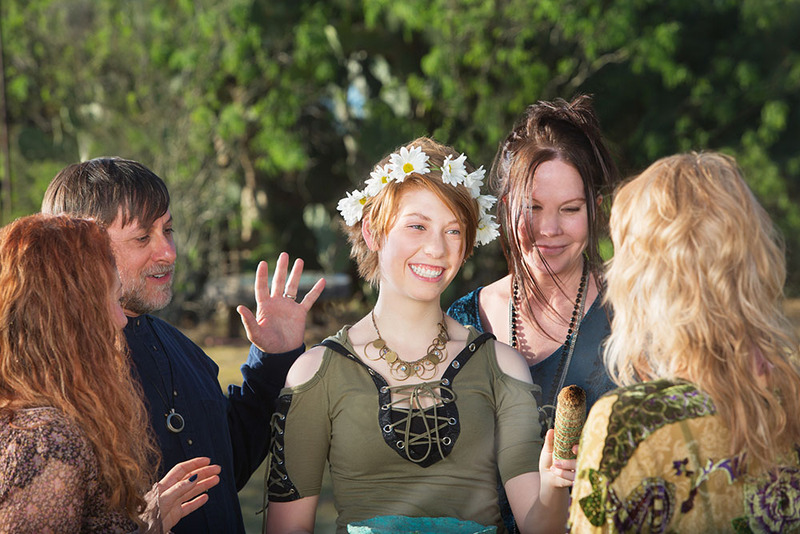
Modern Wiccans are diverse—women and men, queer and straight, scholars and artists—each finding in the Craft a language for personal empowerment. The rituals offer a sense of agency; the beliefs encourage self-discovery. For many, identifying as a witch is both a spiritual statement and a reclaiming of power that history once sought to suppress.
Digital communities and public covens have made Wicca more visible than ever, and while debates over authenticity or tradition continue, its core message remains timeless: reverence for life and the sacred cycles of existence.
Between Moonlight and Myth
To walk the Wiccan path is to live between moonlight and myth—between the seen and unseen, the rational and the mystical. It is a religion that does not demand faith in doctrine but invites participation in experience.
The Wiccan witch is neither the villain of folklore nor the caricature of fantasy. She—or he—stands as a seeker of balance, a guardian of the natural world, and a student of the sacred mysteries that bind all things.
In an age of disconnection, Wicca reminds us that spirituality need not be found in towering cathedrals or sacred texts alone. It can be found in the whisper of wind through leaves, in the phases of the Moon, and in the recognition that the divine is not above us, but within us.