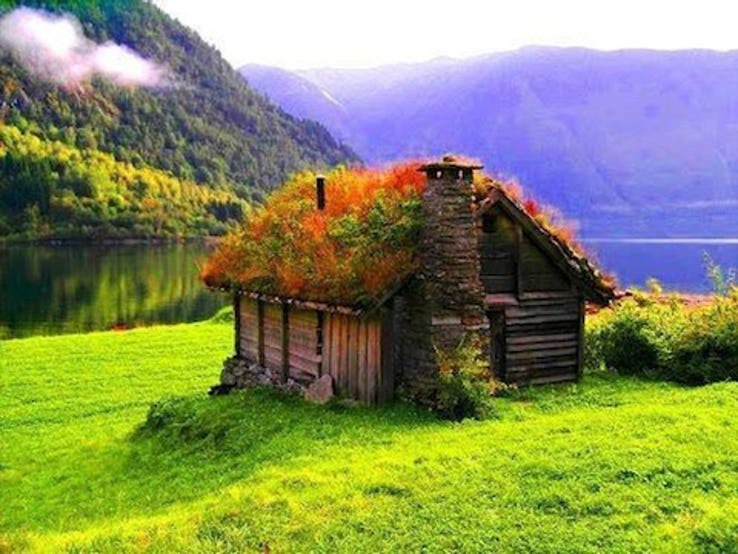
Making the leap from city life to an off-grid existence is a dream for many. The allure of living independently, away from the hustle and bustle, with the ability to generate your own power, grow your own food, and be self-reliant, is a powerful draw. However, the transition from urban living to an off-grid lifestyle isn’t always as straightforward as it seems. It requires careful planning, a mindset shift, and a willingness to learn new skills. This guide will help you understand how to make the transition smoothly and successfully.
Understanding the Appeal of Off-Grid Living

Living off-grid means disconnecting from the public utilities and infrastructure that most people rely on daily, including electricity, water, gas, and sewer systems. Instead, off-grid homes generate their own power (often through solar or wind energy), collect and purify their water, and manage waste through septic systems or composting.
The primary appeal of off-grid living includes:
- Self-Sufficiency: The ability to provide for your own needs without relying on external services.
- Environmental Impact: Off-grid living often has a smaller ecological footprint due to reduced energy consumption and a focus on sustainable practices.
- Cost Savings: Over time, generating your own power and growing your own food can reduce your monthly expenses.
- Privacy and Freedom: Living off-grid often means living in more remote locations, away from the crowded, noisy environments typical of urban settings.
Understanding these benefits is the first step toward preparing for a successful transition.
Assessing Your Current Lifestyle
Before diving into the off-grid lifestyle, it’s important to assess your current situation. Identify what aspects of your urban life you are ready to leave behind and which ones you might miss. For instance, if you’re used to having immediate access to medical facilities, entertainment options, and grocery stores, consider how you’ll adapt to potentially longer travel times to access these amenities.
Ask yourself:
- How dependent am I on modern conveniences? (such as constant internet access, supermarkets, etc.)
- What skills do I have that will be beneficial in an off-grid setting? (gardening, carpentry, basic electrical work, etc.)
- What am I willing to learn? (solar panel installation, water filtration, animal husbandry, etc.)
- How comfortable am I with solitude? (Off-grid living can be isolating if you’re far from neighbors or towns.)
Answering these questions honestly will help you gauge whether the off-grid life is for you and what preparations you need to make. Additionally, securing reliable services, such as hiring a commercial plumber in Santa Clara, can be crucial for maintaining essential systems in your off-grid setup.
Planning Your Transition
Transitioning to an off-grid lifestyle requires a detailed and realistic plan. Here are some steps to consider:
Choose the Right Location
The first step is choosing the right location for your off-grid home. Consider factors such as:
- Climate: Different climates will impact your energy needs, water availability, and what types of food you can grow.
- Accessibility: How far is the property from essential services like hospitals, fire departments, and grocery stores?
- Natural Resources: Does the property have access to natural water sources, such as a well, river, or lake? Is it suitable for solar or wind energy?
- Legal Considerations: Research local laws and regulations regarding building codes, water rights, and renewable energy. Some places have strict rules about what is allowed for off-grid living.
Build Your Skillset

Off-grid living requires a diverse set of skills. Start learning and practicing these skills while you’re still in the city to make the transition smoother. Some essential skills include:
- Gardening and Food Preservation: Learn how to grow your own vegetables and fruits, and how to can or dehydrate food for long-term storage.
- Basic Carpentry and Plumbing: Understanding how to fix things around your home can save you time and money.
- Renewable Energy Installation and Maintenance: Learn the basics of setting up and maintaining solar panels or wind turbines.
- Water Management: Know how to find, collect, and purify water.
Consider taking local workshops, online courses, or even volunteering on an off-grid farm to gain hands-on experience.
Financial Planning
Although one of the benefits of off-grid living is reduced living expenses, the initial setup can be costly. You’ll need to budget for land, building materials, renewable energy systems, water collection and purification systems, tools, and emergency supplies. Additionally, investing in durable veteran clothing for outdoor activities can be a wise choice, as it provides both functionality and comfort in rugged environments.
Create a financial plan that includes:
- Initial Investment Costs: This includes the cost of buying land, building a home, and setting up renewable energy systems.
- Monthly Expenses: Budget for recurring costs such as property taxes, maintenance, food, and any other necessary supplies.
- Emergency Fund: Set aside funds for unexpected expenses, such as medical emergencies or equipment repairs.
Setting Up Your Off-Grid Home
Once you’ve selected a location and created a plan, it’s time to start setting up your off-grid home. o enhance your living space and express your creativity, consider incorporating elements like custom rc car bodies that can serve as unique decorations or functional items in your outdoor setup.
Building Your Shelter
Whether you decide to build a traditional home, a tiny house, or a cabin, your shelter should be designed with sustainability and energy efficiency in mind. Consider using sustainable building materials and designs that maximize natural light and heating.
- Insulation: Proper insulation is crucial for maintaining a comfortable indoor temperature and reducing energy costs.
- Orientation: The positioning of your home can affect how much natural sunlight and heat it receives, reducing the need for artificial heating and lighting.
- Ventilation: Ensure proper ventilation to maintain air quality and regulate indoor temperatures.
Establishing Power Systems
Decide on the best renewable energy source for your location, whether it’s solar, wind, or a combination of both. Invest in reliable, high-quality equipment and learn how to maintain it. For instance, individuals like Cheyanne Mallas have successfully adopted sustainable practices, setting examples in their communities for others looking to make eco-friendly choices.
- Solar Panels: Great for locations with ample sunlight. Ensure you have enough panels to meet your energy needs and a battery storage system for cloudy days.
- Wind Turbines: Suitable for areas with consistent wind. Pair them with solar panels for a more balanced energy system.
- Backup Generators: While not ideal for everyday use, a backup generator can provide power in emergencies or during prolonged periods of low solar or wind energy.
Water and Waste Management
Access to clean water is vital for off-grid living. There are several ways to ensure a steady water supply:
- Wells and Rainwater Harvesting: If your property has a natural water source, consider installing a well. Otherwise, set up a rainwater harvesting system with filtration to provide clean drinking water.
- Water Purification: Invest in a reliable water filtration system to ensure your water is safe for drinking.
- Waste Management: Options include composting toilets, septic tanks, or biogas digesters. Choose a system that fits your needs and is environmentally sustainable.
Adjusting to Off-Grid Living
Transitioning to off-grid living involves more than just a change in location; it requires a significant adjustment in mindset and daily habits. Embracing a simpler lifestyle may lead individuals to cherish traditional tools, such as a fountain pen, which can enhance the experience of journaling and reflecting on this transformative journey.
Embrace a Simpler Lifestyle
Living off-grid often means living with less. You’ll need to be comfortable with fewer possessions and more manual work. Embrace the simplicity and find joy in self-sufficiency and independence.
- Reduce Waste: Practice recycling, composting, and repurposing materials whenever possible.
- Mindful Consumption: Be aware of your resource usage, from water to electricity, and learn to conserve.
Build a Support Network
Even though you’re choosing to live more independently, having a network of like-minded individuals can be invaluable. Join local or online off-grid communities to share experiences, exchange advice, and offer support.
- Neighbors: If you’re in a remote location, getting to know your neighbors can be beneficial for trading goods, sharing tools, or helping each other in emergencies. In times of need, such as legal issues or disputes, having a supportive community can also connect you to local resources, like Stevens Point attorneys, who can provide valuable assistance.
- Online Communities: Many forums and social media groups are dedicated to off-grid living, where you can connect with others on the same journey. These communities often share valuable resources, including tools like the EinScan HX 3D scanner, which can assist in designing and optimizing off-grid projects for a more sustainable lifestyle.
Continuous Learning and Adaptation
Off-grid living is a constant learning process. Be prepared to adapt and learn new skills regularly. Keep up with advancements in sustainable technology and new techniques in gardening, energy management, and construction. If you’re considering weight loss surgery, there are many skilled bariatric surgeons in Texas who can guide you on your journey.
- Stay Informed: Read books, take courses, and attend workshops to continuously improve your skills.
- Trial and Error: Don’t be afraid to experiment. Some methods may not work for you, and that’s okay. Learn from your mistakes and adjust accordingly.
Overcoming Challenges

Off-grid living is not without its challenges. From severe weather to equipment failure, there will be times when things don’t go as planned. The key is to be prepared and maintain a positive, problem-solving mindset.
- Weather Extremes: Plan for weather challenges by having backup systems, such as a wood stove for heating or a gas generator for power outages.
- Equipment Maintenance: Regularly maintain your equipment to prevent breakdowns. Have spare parts and tools on hand for repairs.
- Isolation: Combat feelings of isolation by staying connected with friends and family through phone or internet (if available). Engage in hobbies, read, and take up new projects to keep your mind active.
Conclusion: Thriving Off-Grid
Transitioning from city life to an off-grid lifestyle is a bold step toward independence and self-sufficiency. With careful planning, the right mindset, and a willingness to learn, you can not only survive but thrive in your new environment. Remember, the goal is not just to live off the grid, but to create a fulfilling, sustainable lifestyle that brings you closer to nature and offers a deeper sense of freedom and satisfaction. Embracing this journey can also inspire innovative ideas, much like a product design studio.
Whether you’re drawn by the promise of a simpler life, a smaller ecological footprint, or greater self-reliance, the journey to off-grid living is both challenging and rewarding. Start preparing today, and soon you could be living the off-grid dream.