The world of marine engineering demands durability, reliability, and precision, especially when it comes to outboard engines. At the heart of achieving these attributes is machine casting, a vital manufacturing process that shapes and solidifies the key components in outboard engines. This process not only ensures a longer lifespan and consistent performance but also aids in delivering high-power efficiency for the demands of marine environments. Let’s explore how machine casting contributes to the durability and performance of marine outboard engines.
Precision and Strength in Engine Components
Machine casting for marine outboard engines plays an essential role in producing outboard engine components that can withstand the extreme conditions of marine use. With the process of casting, metal alloys, often aluminum or steel, are heated to their molten state and poured into precisely shaped molds. This allows manufacturers to create engine parts with intricate geometries and highly specific tolerances. In turn, these components fit together seamlessly, ensuring that the engine operates smoothly and with minimal wear.
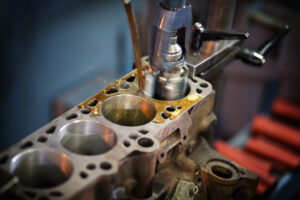
The precision in casting is crucial for components like the cylinder heads, crankshafts, and housings, which are constantly exposed to high pressures and friction. Machine casting provides these parts with the strength needed to resist wear and corrosion from saltwater and humidity, which are common challenges in marine environments. The durability imparted by casting minimizes the risk of engine breakdowns, giving boaters the peace of mind that their engines will perform reliably even in tough conditions.
Enhanced Heat Resistance for Optimal Performance
Outboard engines undergo significant thermal stress, particularly during prolonged use at high speeds. Components crafted through machine casting are better equipped to handle these temperature variations, as casting allows for the creation of heat-resistant metal alloys that dissipate heat effectively. By integrating materials such as aluminum alloys, which are lightweight yet capable of enduring high temperatures, manufacturers can ensure the engine cools efficiently while maintaining top performance.
Heat resistance is critical in preventing engine overheating, which can lead to performance issues or costly repairs. The casting process enables the development of more intricate cooling channels and fins within engine components, optimizing the engine’s ability to regulate temperature. This focus on temperature control means outboard engines remain efficient, delivering consistent power output even in prolonged operation, which is especially important for marine applications where reliable performance is essential for safety.
Cost-Efficiency and Sustainability in Production
Machine casting also provides economic benefits, making the production of outboard engine parts more cost-effective without sacrificing quality. Because casting allows for high-precision parts to be mass-produced with consistent results, manufacturers can produce large volumes of reliable components at a lower cost. This process minimizes material waste, contributing to a more sustainable production method that aligns with industry goals to reduce environmental impact.
Moreover, the durability of cast parts reduces the need for frequent replacements, leading to cost savings for boaters and lessened environmental strain from waste. By extending the engine’s lifespan, machine casting supports a more sustainable approach to marine equipment manufacturing, benefiting both users and the ecosystem.
In summary, machine casting is indispensable in crafting marine outboard engines that excel in durability, performance, and efficiency. Its contributions to precision engineering, heat resistance, and cost-effectiveness ensure that these engines can meet the unique challenges posed by marine environments. With each cast component, machine casting underscores its critical role in producing reliable and high-performance marine outboard engines that users can trust.