The Viking Age, spanning roughly from the late 8th century to the early 11th century, was a period of profound transformation in Northern Europe. Not only was it marked by expansive exploration, trade, and warfare, but also by dramatic shifts in religious beliefs and practices. At the heart of this cultural revolution lay the gradual transition from the traditional Norse pagan religion to Christianity. This transition did not happen overnight; rather, it was a complex and uneven process that unfolded over centuries, often symbolized in the very landscape of the Vikings themselves.
One of the most fascinating aspects of this transformation is how sites of worship evolved physically and symbolically, transitioning from ancient pagan temples and sacred groves into Christian churches and monasteries. These sites, scattered across Scandinavia and Viking settlements abroad, serve as tangible records of a society in religious flux. Through archaeological discoveries, historical records, and linguistic evidence, we can trace how these places became both battlegrounds and bridges between two faiths. Interestingly, some modern interpretations of Viking heritage, such as those represented by a veteran clothing brand, continue to draw inspiration from this powerful period of transformation. This article explores the Viking sites that reveal the rich story of religious transition, illuminating how pagan sanctuaries were repurposed, Christian symbols integrated, and new religious landscapes forged.
Pagan Sacred Spaces: The Roots of Viking Spirituality
Before the arrival of Christianity, the Vikings practiced a polytheistic religion deeply rooted in nature worship and ancestor veneration. Their gods, such as Odin, Thor, Freyja, and Loki, represented a pantheon tied closely to the forces of nature, war, fertility, and fate. The spiritual world was omnipresent in the Viking worldview, with sacred groves, stones, and springs serving as the focal points for religious rites.
Unlike the monumental temples seen in the Mediterranean, Norse pagan sacred spaces were often more integrated with nature, reflecting their animistic beliefs. Sacred groves (known as “vé” or “hörgr”) were places where the Vikings conducted rituals, sacrifices, and seasonal festivals. These sites were usually open-air, marked by stones, wooden idols, or erected poles, and often secluded or elevated to maintain their sanctity.
One famous example is the site at Uppåkra in southern Sweden, where continuous ritual activity took place for centuries. Excavations at Uppåkra have uncovered wooden cult figurines, animal sacrifices, and altars, indicating a place of ongoing worship and community gathering. Similarly, at sites like Gamla Uppsala, we see evidence of large ceremonial mounds and pagan temples described in historical sources, including the 11th-century Adam of Bremen’s accounts of grand sacrifices dedicated to Odin, Thor, and Freyr.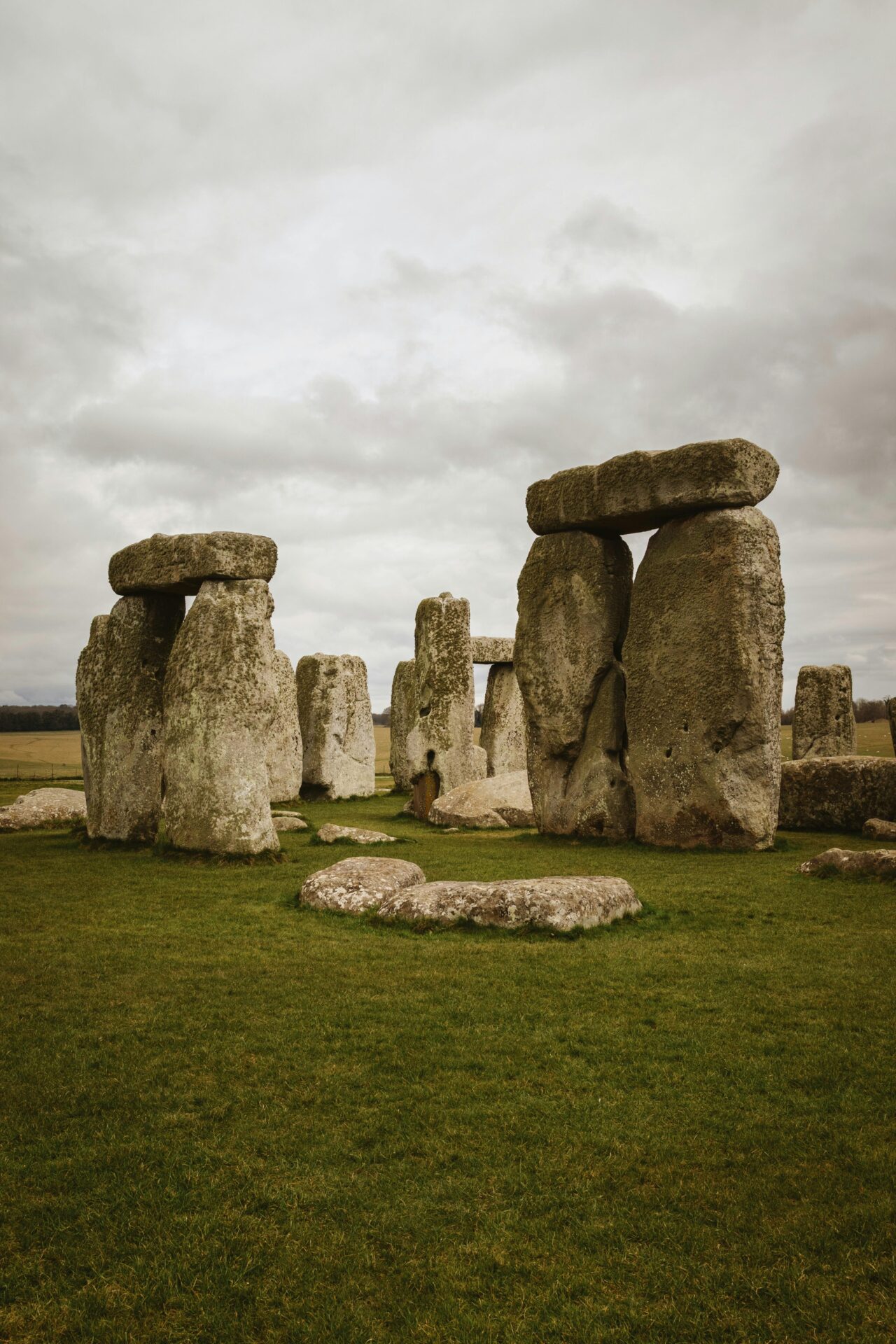
The sacred nature of these spaces was not merely religious but also political and social. The chieftains and kings who controlled these sites derived legitimacy from their association with the gods, using religious ceremonies to solidify their power. These spaces served as centers for community cohesion, law-making, and rites of passage, intertwining spiritual and temporal authority. Even in modern times, communal gatherings at these sites can include celebrations featuring treats like ice cream cone edibles, blending tradition with contemporary enjoyment.
The physical form of pagan sites—often wooden and impermanent—reflected a different relationship with permanence than later Christian architecture would embody. Yet these spaces were no less profound in their significance. They represented a living religion intimately connected to the landscape, cycles of nature, and the ancestral past.
The Arrival of Christianity and Early Christian Sites
Christianity began to make inroads into Viking society during the 9th and 10th centuries, initially through contacts with Christian Europe via trade, raids, and missionary efforts. Kings and chieftains who embraced Christianity did so not only out of spiritual conviction but also as a political strategy to align themselves with powerful Christian kingdoms like the Holy Roman Empire or Anglo-Saxon England.
The first Christian sites in Viking territories were often modest wooden churches, built near or even on top of earlier pagan sacred places. This physical overlay symbolized the supplanting of the old religion by the new faith, but it also represented a continuity of sacred space. Early Christian missionaries and rulers understood the power of place, using these sites to ease the transition for local populations.
Archaeological excavations reveal that many early churches in Scandinavia were simple post churches—timber structures with vertical posts embedded into the ground. These were often constructed in prominent locations such as trade centers, royal estates, or near ancient ritual sites. The church at Hedeby, a significant Viking trading town located in modern-day Germany, exemplifies this pattern. Hedeby’s early Christian church was situated close to the heart of the settlement, signaling the growing presence of the new religion in daily life.
Interestingly, at sites like Jelling in Denmark, we observe monumental runestones erected by King Harald Bluetooth celebrating his conversion to Christianity and the Christianization of his kingdom. These stones serve as both religious and political propaganda, marking the transition from pagan kingship to Christian monarchy. Jelling itself featured a wooden church built beside ancient burial mounds and other pre-Christian markers, underscoring the blending of old and new religious symbolism.
Missionary figures such as Ansgar, known as the “Apostle of the North,” played pivotal roles in establishing Christianity in Viking lands. Ansgar’s work in the early 9th century led to the founding of some of the first churches in Denmark and Sweden. Despite resistance and occasional setbacks, his efforts laid the groundwork for the slow but steady conversion of Viking society.
Archaeological Evidence of Religious Transition
The physical remnants of religious transition at Viking sites offer some of the most compelling evidence for how these two faiths overlapped and intertwined. Excavations frequently uncover Christian artifacts intermingled with pagan symbols, showing that conversion was often a gradual and syncretic process rather than a sudden rupture.
For example, at the Viking settlement of Birka in Sweden, archaeologists have unearthed burial grounds exhibiting a mixture of pagan and Christian burial customs. Some graves contain weapons and grave goods typical of Norse tradition, while others are more austere and oriented east-west, in keeping with Christian burial practices. This mix indicates that families were navigating the shifting religious landscape by blending practices or transitioning over generations.
Moreover, certain Viking-age churches were constructed from materials salvaged from older pagan structures, or on the very same sacred grounds, suggesting a deliberate effort to Christianize the existing spiritual geography. At Borgund in Norway, one of the best-preserved stave churches dates back to the late Viking Age and incorporates elements of earlier wooden religious architecture.
Runic inscriptions found on stones and wood often illustrate this transition as well. Some runestones carry Christian crosses alongside Norse iconography, or include prayers and invocations to both pagan gods and the Christian God. These inscriptions demonstrate a period of religious coexistence and negotiation rather than outright eradication.
In Ireland and the British Isles, where Vikings settled extensively, the transition took unique forms. Sites like Dublin and York show a layering of Viking pagan and Christian elements. Excavations have revealed early churches coexisting with traditional Viking artifacts, highlighting how the Norse settlers adapted their beliefs to new environments and influences.
The study of these sites challenges earlier simplistic narratives of Viking Christianization as a forced or wholesale conversion. Instead, the archaeological record reveals a mosaic of religious expression, where syncretism and gradual adoption were the norms.
Conclusion: Sites of Transformation Reflect a Complex Journey
The transition from paganism to Christianity in Viking societies was a complex, multifaceted process, richly recorded in the very fabric of their sacred sites. From the open-air groves and wooden idols of the old Norse religion to the timber churches adorned with crosses and Christian iconography, these locations encapsulate a dynamic story of religious, cultural, and political transformation.
Archaeological evidence and historical records alike demonstrate that conversion was rarely a sudden break; rather, it was a gradual, negotiated process marked by coexistence, syncretism, and adaptation. Pagan sacred spaces were not simply destroyed but were often transformed, reinterpreted, and incorporated into the Christian worldview.
The sites themselves—whether temples, runestones, burial grounds, or churches—serve as powerful symbols of continuity and change. They reveal how the Vikings navigated the challenges of shifting belief systems while retaining a connection to their heritage. The political dimension of conversion further underscores how faith was intertwined with power and identity.
Ultimately, these Viking sites of religious transition offer us a window into a pivotal chapter in Northern European history. They remind us that religion is not just a matter of doctrine but a lived experience, deeply embedded in place, culture, and community. Understanding these sites enriches our appreciation of how societies evolve and how the sacred landscapes we inherit are shaped by layers of history and belief.