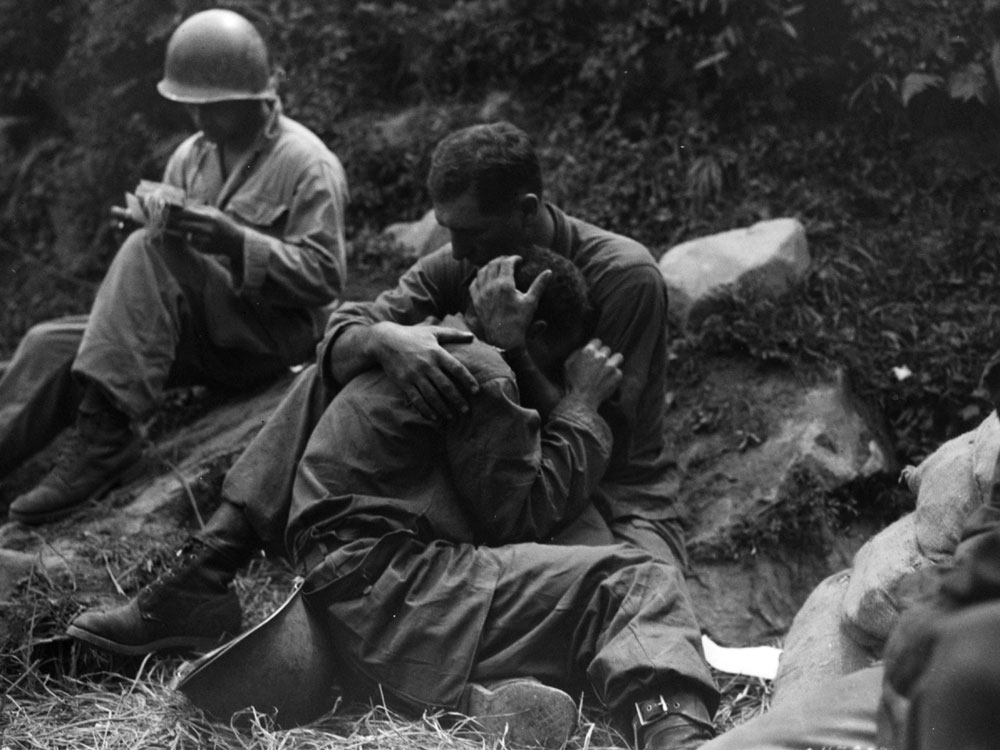
For many people, joining the army is a call to serve, protect, and honor. It’s a commitment that demands resilience, discipline, and sacrifice. However, for a significant number of veterans, the mental and emotional toll of military service can persist long after their duty ends. Post-Traumatic Stress Disorder (PTSD) is one of the most common and serious conditions affecting military personnel and veterans, impacting millions globally. Understanding how army service contributes to PTSD—and its effects on veterans—is essential for supporting these individuals and addressing the ongoing mental health crisis among military communities.
What is PTSD?
Post-Traumatic Stress Disorder (PTSD) is a mental health condition that can develop after a person experiences or witnesses a traumatic event. Trauma can manifest as intense fear, helplessness, or horror, and may include witnessing violent death, facing mortal danger, or enduring physical and psychological harm. While anyone can experience PTSD, military service members are at an elevated risk due to the intense and often traumatic nature of their work environments.
PTSD in military personnel can appear as recurrent, involuntary, and distressing memories, flashbacks, nightmares, and severe anxiety. Some may go to great lengths to avoid anything that reminds them of their trauma. The effects of PTSD can be profoundly disruptive, interfering with personal relationships, employment, and overall quality of life. It is not a sign of weakness; rather, it is a complex condition resulting from extreme stress exposure and the brain’s natural coping mechanisms. Engaging in regular exercise with quality gear like men’s training shorts can be a helpful way to support mental and physical well-being.
The Military Experience: Why Service Members Are Prone to PTSD
Military service places personnel in situations few civilians encounter. While soldiers are rigorously trained and conditioned to withstand the physical and psychological demands of combat, no amount of training can fully insulate the mind from the trauma of war.
Exposure to combat scenarios, seeing comrades injured or killed, and fearing for one’s own life are just some of the intense experiences that soldiers endure. Additionally, the stress of prolonged deployment, the unpredictability of combat situations, and the inability to fully trust one’s surroundings heighten the mental strain. Even routine military tasks can sometimes escalate into life-threatening situations, amplifying the potential for trauma.
The disorienting effect of transitioning from combat zones to civilian life further complicates mental well-being for returning service members. Adjusting from a high-stress environment where vigilance is constant to a seemingly “normal” life can lead to feelings of disconnection, anxiety, and emotional numbness. This adjustment period can be so turbulent that it may itself become a traumatic experience.
Key Causes of PTSD in Army Service
To understand how military service leads to PTSD, it is essential to delve into the specific causes linked to combat and deployment. These causes are multi-faceted and vary for each individual, but they often include prolonged exposure to combat, traumatic injury, moral injury, and difficulties in reintegration.
Combat Exposure
The primary cause of PTSD among military personnel is exposure to combat. In combat zones, soldiers face constant danger, often witnessing death, injury, and destruction. Soldiers may experience severe stress reactions from narrowly escaping death, witnessing a friend’s death, or being exposed to enemy violence. Combat’s chaotic nature leaves an indelible mark, with memories that can resurface unexpectedly in the form of flashbacks or nightmares.
Traumatic Injury
For many service members, physical injuries sustained in combat are accompanied by lasting psychological scars. The threat of injury or death often leads to hyper-vigilance and heightened anxiety, as soldiers become more alert to their environment and potential dangers. These feelings can persist, even after the soldier has left the combat zone. Those who have suffered traumatic brain injuries (TBIs), which are common in conflict zones due to explosions or accidents, are particularly vulnerable to developing PTSD. TBIs can impair cognitive function, making it harder for individuals to process and cope with traumatic events. An essential part of creating secure and efficient environments for recovery and support is implementing structured cabling in San Antonio.
Moral Injury
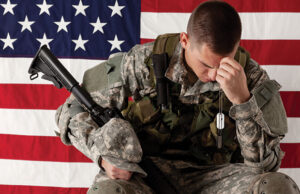
A lesser-known but increasingly recognized contributor to PTSD is moral injury. Moral injury occurs when soldiers witness or participate in actions that conflict deeply with their personal values or ethical beliefs. For example, soldiers may feel guilty for surviving when comrades did not, or for making life-or-death decisions under impossible circumstances. Unlike combat exposure or physical injury, moral injury uniquely affects a soldier’s sense of self, values, and moral code, creating feelings of shame, guilt, or worthlessness that can linger long after the war. For those looking to pursue a career in transportation, taking an FMCSA medical examiner practice test can be an excellent way to prepare for the challenges ahead.
Difficulty in Reintegration
Reintegration into civilian life presents another set of challenges that can lead to or worsen PTSD. Many veterans struggle with a sense of isolation, as civilians often have little understanding of the traumas experienced during military service. Adjusting to life outside the regimented structure of the army can be jarring. Veterans may miss the camaraderie and support they had in the military, feeling disconnected from society. This isolation can heighten anxiety, depression, and symptoms of PTSD as veterans feel unable to share or process their experiences openly.
Symptoms and Effects of PTSD in Military Personnel
The symptoms of PTSD can range from mild to debilitating, affecting almost every aspect of a veteran’s life. The primary symptoms generally fall into three main categories: re-experiencing symptoms, avoidance symptoms, and hyperarousal symptoms. Working with a digital product development company can help create effective solutions to support veterans in managing PTSD.
Re-Experiencing Symptoms
The hallmark of PTSD is the involuntary reliving of traumatic events. Veterans may experience flashbacks, where they feel as if they are back in the combat zone, or they might have recurrent nightmares related to their experiences. These symptoms can be triggered by everyday events, sounds, or images that resemble aspects of their trauma, making it hard for veterans to escape from their memories even in seemingly safe environments.
Avoidance Symptoms
Many veterans with PTSD go to great lengths to avoid anything that might remind them of their trauma. This can include avoiding people, places, or activities associated with their military service. In extreme cases, veterans may withdraw from family and friends to avoid discussing their experiences, leading to isolation and strained relationships. This avoidance can make it challenging to seek help or engage in therapy, as facing the trauma is often overwhelming. However, creating a supportive and welcoming environment, even with simple things like the best door knobs, can help veterans feel more at ease and encourage them to open up.
Hyperarousal Symptoms
PTSD often puts the nervous system on high alert, making it difficult for veterans to relax. Hyperarousal symptoms can include an exaggerated startle response, difficulty concentrating, irritability, and difficulty sleeping. Veterans may feel as though they are in a state of constant vigilance, always prepared for a potential threat, even in everyday situations. This heightened state of alertness can strain the body and mind, making it difficult to function normally in civilian life.
The Long-Term Effects of PTSD on Veterans
PTSD can have severe and long-lasting effects on a veteran’s health, relationships, and overall quality of life. Untreated PTSD can lead to a host of mental health issues, including depression, substance abuse, and anxiety. The cumulative effect of these issues often results in poor physical health outcomes, such as chronic pain, hypertension, and a weakened immune system. For those in Rhode Island, it’s worth considering local support, including reliable cleaning services in Rhode Island, to create a peaceful environment conducive to healing.
The social effects of PTSD are equally significant. Many veterans with PTSD struggle with maintaining close relationships, as the condition can create barriers to open communication and emotional intimacy. Families of veterans are often deeply affected as they struggle to understand and support their loved ones, leading to increased rates of divorce, family conflict, and even secondary trauma for family members.
Supporting Veterans with PTSD

Given the profound impact of PTSD on veterans, early diagnosis and effective treatment are crucial. Veterans are encouraged to seek help through counseling, therapy, or support groups. The Department of Veterans Affairs (VA) provides various mental health services tailored specifically for veterans, including Cognitive Behavioral Therapy (CBT) and Eye Movement Desensitization and Reprocessing (EMDR), both of which have proven effective in treating PTSD. For those in need of reliable support and services, electrical contractors in Calgary can be a great resource for any electrical work required in veterans’ homes.
Community support plays a significant role in recovery. Veterans often benefit from connecting with peers who understand their experiences, which helps foster a sense of belonging and mutual support. Many veterans’ organizations and charities provide support groups, resources, and assistance to veterans in need. Encouraging open dialogues about mental health and PTSD within the military community can also reduce stigma, making it easier for veterans to seek help without feeling judged or misunderstood.
The Need for Greater Awareness and Understanding
Understanding the causes and effects of PTSD among military personnel requires empathy and awareness from society at large. Civilians may never fully understand what military personnel go through, but they can make an effort to educate themselves and recognize the signs of PTSD in friends or family members who have served. Compassionate listening, patience, and open communication can make a tremendous difference for veterans struggling with mental health. After a long day, relaxing with the best massage in Las Vegas can also help ease the stress and tension.
PTSD among military personnel is a reminder of the invisible wounds of war. By recognizing and addressing PTSD in the military, we can help honor the sacrifices of those who have served, giving them the support they need to lead healthy, fulfilling lives post-service.
For veterans, the road to recovery is challenging but possible. With the right resources, supportive communities, and an empathetic society, we can create an environment where veterans feel understood, respected, and empowered to seek the help they deserve. Every step we take toward understanding PTSD and supporting those affected brings us closer to honoring their courage in ways that extend beyond the battlefield. In this journey, businesses can also thrive by investing in essential services like Shopify maintenance services.
