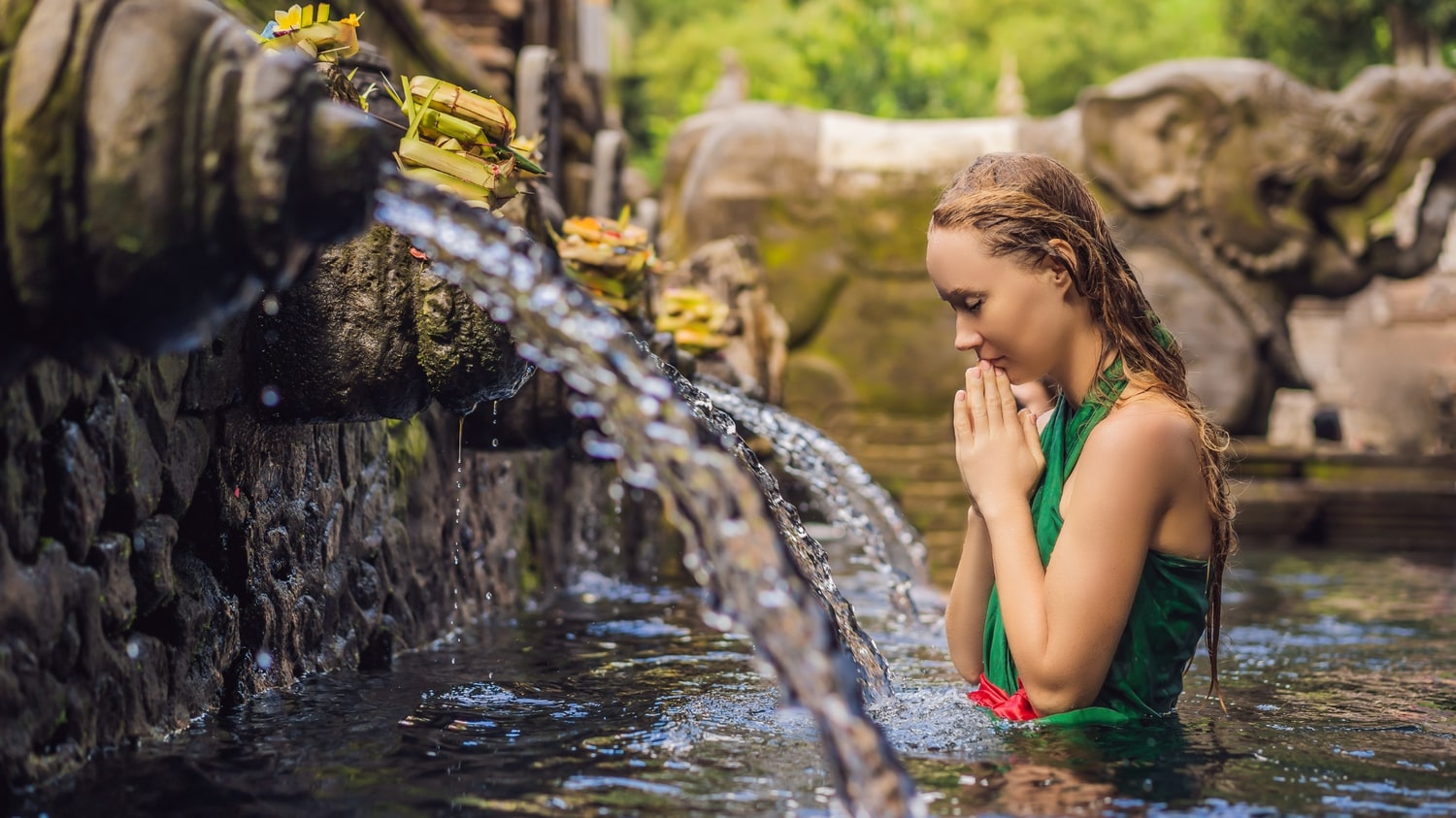
Indonesia is a land where spirituality flows through every aspect of daily life, and nowhere is this more evident than in the rituals surrounding life and death. Across its thousands of islands, from the lush highlands of Sulawesi to the sacred shores of Bali, communities have cultivated ceremonies that honor the passage of life, the presence of ancestors, and the unseen forces that govern the universe. These rituals are not mere performances; they are immersive spiritual experiences that connect participants with a deeper understanding of existence, transcendence, and belonging.

The Spiritual Journey of Birth
Life in Indonesia is celebrated from the very moment a child enters the world. Among the Balinese, for instance, the birth of a child is accompanied by a series of ceremonial rites designed to protect the newborn from spiritual harm and welcome them into the cosmic order. One of the most significant ceremonies is the tatah kelahiran, a blessing ritual that involves offerings, prayers, and the sprinkling of holy water. Parents, relatives, and temple priests gather to invoke divine protection and to acknowledge the child’s connection to the spiritual world. The sense of sacredness permeates the air, as the community collectively participates in the affirmation of life, creating an emotional resonance that lingers long after the ceremony ends.
In Java, traditional birth rituals often blend Islamic, Hindu, and indigenous beliefs. Families may hold aqiqah, a ceremonial sacrifice of livestock, as a means of expressing gratitude and securing blessings for the child. These rituals are more than symbolic gestures; they are tangible experiences of faith and belonging. The communal chanting, the rhythmic flow of prayers, and the tangible presence of sacred offerings transform what could be a private family moment into a profound spiritual immersion, connecting human life with divine guidance.
Initiation into the Sacred: Coming of Age
Indonesian cultures often mark the transition from childhood to adulthood with ceremonies that reflect both spiritual and social dimensions. Among the Toraja people of Sulawesi, for example, adolescents undergo rites that symbolize their readiness to contribute to the community and honor ancestral traditions. The Toraja, known for their deep reverence for ancestors, see these ceremonies as opportunities to align the young with the spiritual rhythms of their society. Participants are not just being formally recognized as adults; they are spiritually initiated into a continuum that links generations.
These coming-of-age rituals often involve symbolic acts of purification, offerings, and recitations of ancestral prayers. In witnessing these rites, one cannot help but feel the weight of continuity—the sense that life is part of a larger, sacred tapestry that stretches beyond the temporal world. Observing or participating in these ceremonies evokes a powerful awareness of interconnectedness, grounding participants in a sense of purpose and spiritual identity.
Marriage as a Sacred Covenant
In many Indonesian cultures, marriage is regarded as a spiritual journey as much as a social contract. Balinese weddings, for instance, are steeped in Hindu cosmology, reflecting the belief that the union of two individuals mirrors the harmony of the cosmos. The rituals often extend over several days, encompassing offerings to deities, blessings from priests, and symbolic gestures designed to align the couple with divine energy. The ceremonial chanting, the ceremonial processions, and the intricate attire are all elements that cultivate a deeply immersive spiritual experience, connecting human love with cosmic balance.
Similarly, among Javanese communities, traditional weddings often incorporate syncretic elements of Islam, Hinduism, and local customs, emphasizing not only the spiritual union of the couple but also their place within a broader social and cosmic order. These ceremonies are transformative, as they invite participants—both the couple and the witnesses—to reflect on the sacredness of life, the impermanence of worldly attachments, and the importance of spiritual harmony.

Death as a Passage, Not an End
While life is celebrated, death in Indonesian cultures is not feared; it is honored as a sacred transition. Among the Toraja, death is not seen as a sudden rupture but as a prolonged spiritual journey. Funerals, or Rambu Solo, can extend for months or even years, depending on the family’s resources and social obligations. These ceremonies are incredibly elaborate, involving the careful preparation of the body, offerings to ancestral spirits, and dramatic communal gatherings.
The Toraja view the deceased as entering a liminal space, a threshold between the material and spiritual realms. During the funeral, the living engage in a series of rituals designed to guide the soul toward its ancestral home, including the sacrifice of buffalo and pigs, dances, and ceremonial feasts. The air is thick with incense, chanting, and the rhythmic pounding of gongs, all of which evoke a palpable sense of spiritual presence. Participants often describe a feeling of profound connection with ancestors, as if the line between the living and the dead momentarily dissolves.
In Bali, cremation ceremonies, or Ngaben, similarly treat death as a spiritual journey rather than an end. The body is ritually purified and then cremated in a symbolic release of the soul. The community participates actively, carrying the sarcophagus, offering prayers, and witnessing the flames rise, which are believed to liberate the soul for its next incarnation. For those involved, the ceremony is intensely emotional and spiritually transformative, offering both mourning and celebration in equal measure.
Pilgrimages and Sacred Sites
Spiritual experiences surrounding life and death are not confined to family rituals; they also manifest in communal pilgrimages to sacred sites. Mount Bromo in East Java, for example, hosts an annual Yadnya Kasada festival, where the Tenggerese people offer crops, livestock, and symbolic items to the mountain deity. These offerings are both a gesture of gratitude and a plea for protection, linking the cycles of life and death to the rhythms of nature. Pilgrims report feelings of awe, humility, and spiritual renewal as they ascend volcanic slopes, make offerings, and participate in prayers that have echoed across generations.
Similarly, in Central Java, the Imogiri royal cemetery serves as a pilgrimage site where descendants of Javanese royalty honor their ancestors through ritual visits. The cemetery is more than a resting place; it is a spiritual center where the living commune with the past, seek guidance, and reflect on mortality. Walking among centuries-old graves and witnessing the devotion of participants creates an immersive sense of spiritual continuity, reminding visitors that life and death are intertwined in a sacred cycle.

The Role of Music and Dance in Spiritual Ceremonies
Across Indonesian cultures, music and dance are indispensable components of spiritual ceremonies, particularly those surrounding life and death. The Gamelan orchestras of Java and Bali, with their layered rhythms and resonant tones, create an auditory space that is both meditative and transcendent. During rituals, the music acts as a conduit, bridging the physical and spiritual worlds. Dances, too, carry symbolic weight, often representing stories of gods, ancestors, or cosmic principles. Watching these performances within the context of a life or death ritual is a deeply immersive spiritual experience, evoking emotions ranging from reverence to joy to solemn reflection.
The Toraja funeral dances, for example, are carefully choreographed expressions of grief, remembrance, and celebration. Participants often report a sense of spiritual catharsis, as if the ritual purifies both the soul of the deceased and the hearts of the living. The combination of visual, auditory, and emotional elements creates a holistic spiritual encounter that lingers long after the ceremonies conclude.
Modern Spiritual Practices and Continuity
Even as Indonesia modernizes, these rituals remain vital, adapting to contemporary life while retaining their spiritual essence. Urban Balinese may celebrate Ngaben in smaller, more practical ceremonies, yet the sense of spiritual release and ancestral connection remains intact. Similarly, Toraja families increasingly coordinate funerals around practical considerations, but the symbolic and spiritual significance continues to guide the process.
What is remarkable is the way these rituals offer participants a space for reflection, emotional release, and spiritual renewal, regardless of scale. Whether one is witnessing a newborn blessing in a rural village or participating in a cremation ceremony in a bustling town, the underlying experience is deeply human: a connection to life, to community, and to the unseen forces that shape existence.
Conclusion
The rituals of life and death across Indonesian cultures are profound expressions of spirituality. They transform everyday events into sacred experiences, linking individuals to ancestors, nature, and the divine. From the joyful welcoming of a newborn to the solemn release of a soul, these ceremonies offer a window into the Indonesian understanding of existence as a continuous, interconnected journey. Participating in or witnessing these rituals is more than an anthropological observation; it is an invitation to feel the pulse of a culture where life, death, and the spiritual realm are inseparably intertwined. The emotional depth, ceremonial beauty, and spiritual resonance of these practices leave a lasting impression, reminding us that the essence of humanity is not merely to live and die but to experience, honor, and connect through sacred ritual.