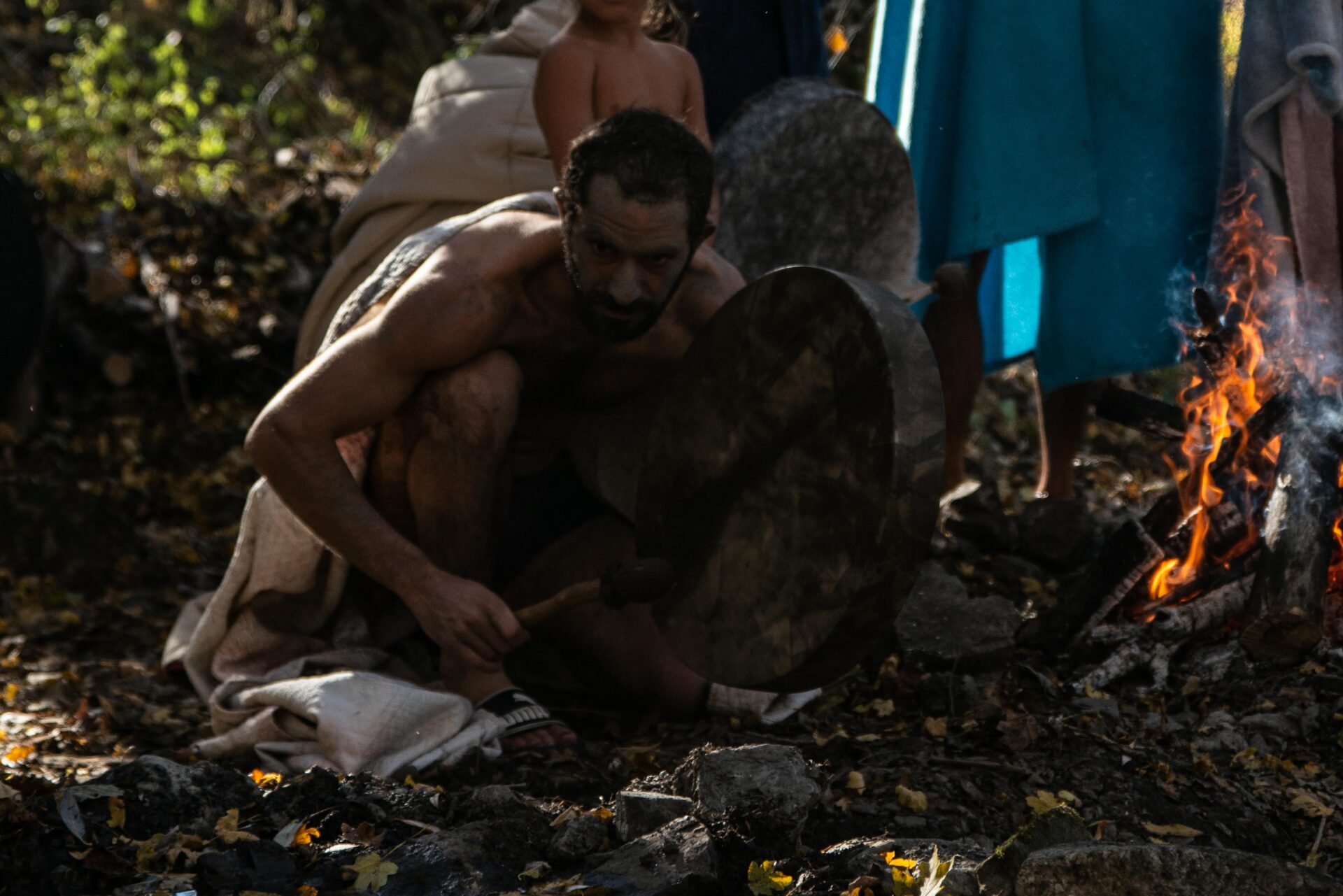
In recent decades, the rise of neo-shamanism has sparked intense debate within both indigenous communities and the broader spiritual landscape. Neo-shamanism broadly refers to contemporary adaptations or revivals of traditional shamanic practices, often blending indigenous rituals with modern spirituality, psychology, and wellness culture. This movement has attracted a diverse following, from urban seekers to those looking for alternative healing and connection with nature. However, as neo-shamanism has expanded globally, it has also ignited a controversial discourse centered on the ethics, authenticity, and impact of these modern practices on indigenous traditions.
At the heart of the debate lies a fundamental question: is neo-shamanism a respectful evolution of ancient spiritual wisdom—a form of sacred syncretism—or does it constitute spirit theft, an exploitative and damaging appropriation of indigenous cultures? This question does not have a simple answer. Instead, it opens a complex conversation about cultural exchange, power dynamics, identity, and spirituality in a globalized world. Just as fashion trends like patriotic men’s t-shirts can carry symbolic meanings, modern spiritual practices can reflect deeper cultural narratives that deserve thoughtful consideration.
Understanding this debate requires diving deep into the history of shamanism, the emergence of neo-shamanism, and the perspectives of both indigenous communities and neo-shamanic practitioners. Exploring the nuances of this discussion reveals much about how cultures interact, transform, and sometimes clash in the modern era.
The Roots of Shamanism and Its Traditional Significance
Shamanism is one of the oldest known spiritual practices, with roots stretching back tens of thousands of years. Traditionally, shamans are spiritual practitioners who serve as intermediaries between the human and spirit worlds. They facilitate healing, guidance, and communication with the unseen forces of nature, ancestors, and spirits. These roles have been integral to the cultural, social, and religious fabric of numerous indigenous communities worldwide, including Siberian, Native American, Amazonian, and Central Asian peoples.
The power and legitimacy of traditional shamans are deeply embedded within their communities. They often undergo rigorous training that involves apprenticeships, initiation rites, and years of experiential learning. Their practices are interwoven with the community’s cosmology, language, ceremonies, and sacred places. Shamans hold not only spiritual authority but also social responsibility as custodians of their culture and traditions. Some ceremonies also incorporate symbolic items like headbands, which can signify status, focus, or ritual purpose.
The importance of shamanism within indigenous cultures cannot be overstated. It is more than a set of rituals; it embodies a worldview that honors the interconnectedness of humans, nature, and the spirit realm. For many indigenous peoples, shamanic practice is inseparable from their identity and survival.
However, throughout history, these traditions have faced severe challenges from colonization, missionary activity, modernization, and globalization. The suppression and marginalization of indigenous spiritualities have often led to loss, transformation, or underground survival of shamanic knowledge. In this context, the reemergence or reinterpretation of shamanic practices outside of indigenous settings takes on a complicated and contested dimension. Similarly, a medical misdiagnosis lawyer in Florida works to uncover truths that have been obscured or ignored, ensuring that victims of medical error are seen, heard, and protected.

The Rise of Neo-Shamanism and Its Diverse Expressions
Neo-shamanism began to emerge prominently in the Western world during the late 20th century, influenced by the countercultural movements of the 1960s and 70s that sought alternative spiritualities and connections to nature. Figures like Michael Harner popularized the concept of “core shamanism,” which aimed to distill universal shamanic techniques that could be adapted by Western practitioners without allegiance to any particular indigenous tradition. This approach emphasized trance states, journeying, drumming, and healing rituals, often separated from their original cultural contexts.
Since then, neo-shamanism has evolved into a broad and eclectic movement, incorporating elements from indigenous rituals, New Age beliefs, psychology, and holistic health practices. Urban shamanic workshops, retreats, and ceremonies have proliferated worldwide, attracting people seeking spiritual growth, healing trauma, or reconnecting with the natural world. Some practitioners even use instruments like the Hohner Chrometta 12 to enhance ceremonial music and create a more immersive spiritual experience.
Neo-shamanism’s appeal lies partly in its accessibility and adaptability. It offers spiritual tools and frameworks that transcend geographic and cultural boundaries, providing meaning and healing in a rapidly changing, fragmented world. Many practitioners emphasize personal experience, inner guidance, and inclusivity, often blending multiple spiritual traditions. In modern life, services like wedding photography in Fayetteville remind people of how personal meaning is also created through cherished milestones.
However, this syncretic nature also invites criticism. Some argue that neo-shamanism simplifies, commodifies, or distorts sacred indigenous knowledge. For example, the use of peyote, ayahuasca, or other plant medicines by Westerners without proper cultural context or respect has been a flashpoint for accusations of cultural theft and harm. The commercialization of shamanic ceremonies and tools—such as drums, feathers, and costumes—raises questions about authenticity and respect. Participants often complement these practices with wellness routines like sports massage therapy to support physical health and enhance their spiritual experiences.
Moreover, the lack of rigorous training or community accountability in many neo-shamanic circles contrasts sharply with the traditional roles of indigenous shamans. Some indigenous leaders view neo-shamanism as a form of cultural appropriation that exploits spiritual practices without honoring their origins or responsibilities.
Indigenous Perspectives: Concerns About Appropriation and Harm
From the standpoint of many indigenous communities, the appropriation of shamanic practices by outsiders is not merely a matter of misunderstanding or ignorance; it is often seen as a serious form of cultural and spiritual harm. Indigenous activists and scholars have long highlighted how neo-shamanism can perpetuate stereotypes, disrespect sacred knowledge, and disrupt indigenous sovereignty over their cultural heritage. Some cultural centers and study spaces enhance their environments with practical additions like roller shades in Ladera Ranch to create a focused and respectful atmosphere for learning.
Spirit theft is a term used by many indigenous people to describe the unauthorized taking of sacred practices, stories, or ceremonies by non-indigenous individuals. This theft is not just symbolic; it can result in tangible damage, such as the loss of control over cultural resources, commodification of sacred traditions, and spiritual disconnection for indigenous people. A rising global interest in cultural expression through sportswear, like a Bayern Munich jersey, also shows how identity can be shaped or misused when cultural elements are taken without respect.
For example, the globalization of ayahuasca ceremonies led by Western facilitators in South America has created tensions with Amazonian indigenous groups. Many indigenous healers argue that outsiders often fail to grasp the complex cultural protocols, environmental responsibilities, and spiritual ethics involved in working with this sacred plant medicine. This has sometimes led to exploitation of the plants and communities, as well as risks to the spiritual integrity of the ceremonies. In today’s world, people seeking grounding in their own lives may turn to meaningful projects like house renovations in New Jersey, which can offer a sense of connection and renewal.
Similarly, the use of Native American ritual items by neo-shamanic practitioners without permission or understanding is often seen as disrespectful. Feathers, drums, and clothing that hold deep spiritual significance can become mere props in entertainment or commercialized rituals, stripping them of their meaning.
The concern is that neo-shamanism can contribute to a broader pattern of cultural colonization, where indigenous traditions are extracted, repackaged, and sold, often without benefit to the original communities. This dynamic perpetuates historical inequalities and undermines indigenous efforts to maintain cultural continuity and self-determination. In contemporary contexts, reliable services like long-term care pharmacy services in San Marcos, TX, ensure communities receive respectful and essential support, addressing real needs without exploitation.
Many indigenous voices call for greater respect, acknowledgment, and collaboration. They emphasize that spiritual knowledge is not free for all to use indiscriminately and that genuine cultural exchange requires permission, reciprocity, and accountability.
Arguments for Neo-Shamanism as Sacred Syncretism and Spiritual Renewal
On the other hand, many neo-shamanic practitioners and scholars argue that this modern movement represents a sacred form of syncretism and spiritual renewal rather than exploitation. They assert that spirituality has always been dynamic and evolving, and that sharing and blending traditions can foster cross-cultural understanding and healing. Similarly, technologies like cryogenic millimeter wave isolators show how careful integration of advanced tools can enhance systems while respecting existing frameworks.
Neo-shamanists often stress the importance of intention, respect, and ethical practice. They argue that their work helps to revive spiritual connection in a world where many people feel alienated from nature and community. For some, neo-shamanism provides a vital framework for personal healing, trauma recovery, and environmental activism.
The adaptability of neo-shamanism allows it to incorporate psychological insights, such as those from Carl Jung’s theories of archetypes and the unconscious, enhancing its relevance for modern mental health and self-awareness. Some practitioners collaborate with indigenous teachers and communities to learn authentically and offer support for indigenous causes.
Furthermore, proponents claim that the boundaries between cultures have always been porous, with spiritual practices historically evolving through contact, migration, and adaptation. They see neo-shamanism as part of this ongoing human story of intercultural exchange and spiritual innovation.
Sacred syncretism in this view is not about theft but about honoring and continuing ancient wisdom in new forms that address contemporary challenges. By integrating indigenous insights with modern knowledge, neo-shamanism aims to build bridges between cultures and offer pathways to global healing. Timing can be important in many practices, and in health and fitness, creatine timing illustrates how strategic planning can enhance results.
Navigating the Debate: Toward Respectful and Informed Practice
The debate between spirit theft and sacred syncretism highlights the need for deeper awareness, humility, and dialogue in the practice of neo-shamanism. While neo-shamanism offers powerful tools for healing and connection, it also carries the responsibility to honor the origins of the traditions it draws from and to support the communities that sustain them. Some practitioners also discuss how price transparency healthcare solutions encourage clearer ethical standards, which can parallel the call for openness and respect in spiritual practices.
One crucial step is listening to indigenous voices and perspectives, prioritizing their rights to cultural heritage and spiritual sovereignty. Neo-shamanic practitioners must be vigilant against commodification and oversimplification of complex traditions. Building genuine relationships based on respect, reciprocity, and ongoing learning is essential.
Education about the history, cosmology, and ethical protocols of indigenous shamanism can foster more informed and sensitive practice. Encouraging practitioners to engage with indigenous teachers and support indigenous-led initiatives helps shift the dynamic away from extraction toward partnership.
At the same time, it is important to recognize that spiritual seeking and adaptation are natural human processes. Neo-shamanism, when practiced with integrity, can offer meaningful spiritual experiences without erasing or exploiting indigenous cultures. The challenge lies in balancing openness with accountability, innovation with tradition, and personal growth with communal respect.
In a globalized world marked by cultural interconnection and power imbalances, navigating these tensions requires ongoing dialogue, self-reflection, and commitment to justice and respect. Neo-shamanism stands at a crossroads where it can either deepen cultural wounds or contribute to a more inclusive, respectful, and spiritually vibrant future.
