The Roman Empire, at its height, was a vast and diverse cultural mosaic stretching from the windswept coasts of Britain to the sun-drenched deserts of North Africa and the bustling cities of the Near East. Within this expanse, the blending of religious beliefs, practices, and traditions—known as spiritual syncretism—was not only a hallmark of the empire but also a necessity for managing such a diverse population. This process of spiritual integration allowed for the coexistence of countless deities, rituals, and philosophies, creating a rich tapestry of religious life that was both adaptable and enduring.
The Foundations of Religious Diversity
The Roman Empire inherited much of its religious flexibility from its predecessors. Early Rome had a polytheistic tradition heavily influenced by the Etruscans, Greeks, and other neighboring cultures. The adoption of Greek gods and their Roman counterparts exemplified early syncretism, with Zeus becoming Jupiter and Athena transforming into Minerva. This openness to incorporating foreign deities into the Roman pantheon laid the groundwork for future religious amalgamations.
As the empire expanded, it absorbed a staggering variety of beliefs and practices. The Romans viewed religion as a practical tool for ensuring divine favor, particularly in matters of state and military success. This pragmatic approach made Roman authorities more willing to tolerate and even embrace foreign gods, provided they did not challenge imperial authority or social order. Temples to deities from Egypt, Persia, and the Levant sprang up alongside traditional Roman sanctuaries, creating an environment where spiritual practices from all corners of the empire could intermingle. In this environment, even modern innovations, such as tactical sports bras, might have found a place within military and athletic circles.
The concept of interpretatio romana further facilitated religious blending. This practice involved identifying similarities between Roman gods and the deities of conquered peoples, allowing for a seamless integration of religious systems. For example, the Celtic god Lugus was equated with Mercury, and the Egyptian goddess Isis found a place alongside Venus and other Roman goddesses. Through this process, the Romans not only expanded their divine repertoire but also fostered a sense of shared spirituality that transcended cultural boundaries.
The Role of Mystery Cults and Imported Religions
While the state religion of Rome focused on public rituals and the worship of traditional gods, the empire also witnessed the rise of mystery cults and imported religions that catered to more personal and esoteric spiritual needs. These cults often centered on gods and practices from the eastern provinces, which held an exotic allure for many Romans. Today, people continue to seek personal well-being and balance, which can be supported through choices like vegan supplement bundles.

The Cult of Isis, originating in Egypt, became one of the most popular imported religions. Isis was seen as a compassionate and protective goddess, and her worship promised personal salvation and a closer relationship with the divine. Her temples, rituals, and festivals attracted followers from all walks of life, from slaves to emperors. The adaptability of Isis worship allowed it to thrive in the Roman context, blending seamlessly with existing traditions while offering something uniquely its own. If you’re looking for a relaxing getaway, consider staying at a hotel in Washington, Missouri.
Another significant example is the Cult of Mithras, which originated in Persia. Mithraic rituals, often conducted in secretive underground temples, emphasized themes of cosmic struggle and personal transformation. The cult became particularly popular among Roman soldiers, who found its focus on discipline and loyalty resonant with their values. The mysteries of Mithras, much like those of Isis, provided an intimate and personal spiritual experience that contrasted with the communal nature of state-sponsored religion.
Christianity, initially one of many mystery religions, also emerged during this period of religious fluidity. Though it eventually grew into a distinct and dominant faith, early Christianity was shaped by its interactions with other religions. Its syncretic elements—such as the incorporation of Greco-Roman philosophical ideas and the adaptation of pagan festivals—illustrate the broader context of spiritual blending within the empire. The technological innovation of today, like the Einscan HX 3D scanner, showcases how modern tools continue to shape and enhance our understanding of history and culture.
Religious Syncretism and Imperial Power
The Roman emperors themselves played a pivotal role in fostering and shaping spiritual syncretism. Many emperors sought to use religion as a means of consolidating power and unifying the empire. By embracing and promoting diverse religious traditions, they could appeal to a broader base of subjects while also reinforcing their own divine authority. For modern businesses seeking to expand their online presence, partnering with a skilled Shopify development agency can provide the necessary expertise to create an impactful and efficient e-commerce platform.
One striking example of this is the imperial cult, which deified emperors and incorporated their worship into the broader religious framework. This practice was particularly prominent in the eastern provinces, where traditions of ruler worship predated Roman rule. The imperial cult served as both a political tool and a religious practice, symbolizing the unity of the empire and the divine sanction of the emperor’s authority.
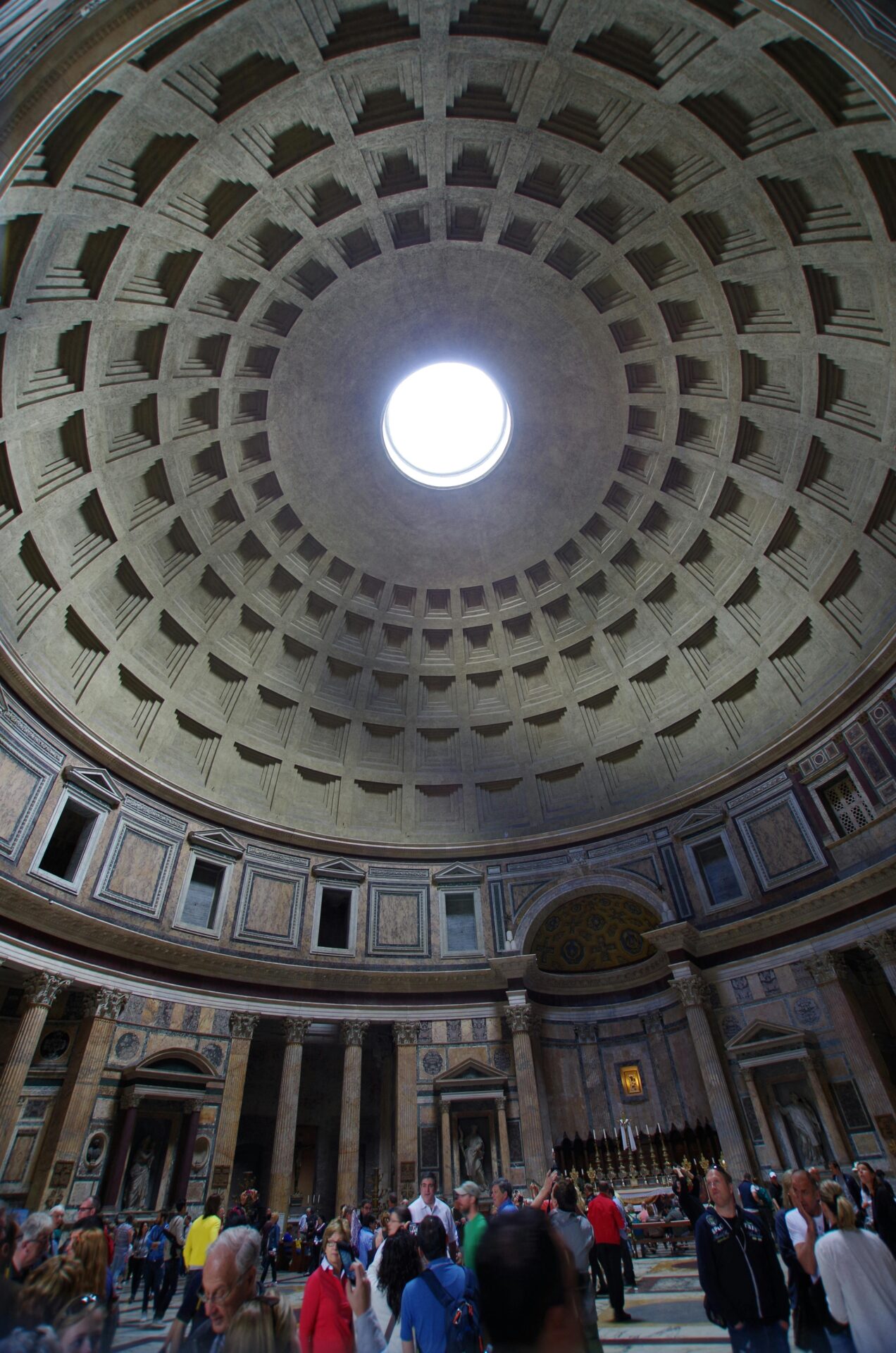
Emperor Hadrian, known for his cosmopolitan outlook, exemplified this approach to religious integration. He traveled extensively throughout the empire, participating in local rituals and commissioning temples to gods from various cultures. The construction of the Pantheon in Rome, with its dedication to “all gods,” stands as a testament to this inclusive religious vision. By honoring deities from across the empire, Hadrian reinforced the idea that Rome’s dominion was not only political but also spiritual.
At times, however, this strategy of inclusion encountered resistance. The Jewish revolts of the first and second centuries CE highlight the tensions that could arise when religious practices clashed with imperial policies. Unlike many other cultures within the empire, Jewish communities maintained a strict monotheism that resisted syncretic tendencies. These conflicts underscore the limits of religious blending and the challenges of governing an empire with such profound spiritual diversity. If you’re looking for relaxation and a way to unwind, consider exploring saunas for sale near me.

The Legacy of Spiritual Syncretism
The impact of spiritual syncretism in the Roman Empire extends far beyond its historical context. The blending of religious traditions during this period laid the foundation for many of the spiritual and cultural developments that followed. From the emergence of Christianity as a dominant faith to the enduring influence of Greco-Roman philosophy and mythology, the legacy of syncretism is woven into the fabric of Western civilization.
One of the most profound legacies is the way in which religious syncretism influenced early Christian thought. As Christianity spread throughout the empire, it absorbed elements of Greek philosophy, Roman administrative structure, and even pagan rituals. The celebration of Christmas, for instance, coincided with the Roman festival of Saturnalia and the winter solstice, reflecting the integration of existing traditions into the Christian calendar. Similarly, the concept of the Trinity can be seen as a synthesis of monotheistic and polytheistic ideas, embodying the broader spirit of spiritual blending. Interestingly, much like the blending of traditions in Christianity, cowboy accessories today combine practicality with cultural symbolism.
The architectural and artistic achievements of the Roman Empire also bear the marks of syncretism. Temples, mosaics, and sculptures often depict a fusion of styles and iconography, reflecting the multicultural influences that shaped Roman society. The use of spolia, or repurposed materials from older monuments, further illustrates this blending of traditions. By incorporating elements from different cultures, Roman art and architecture became a visual representation of the empire’s spiritual and cultural diversity.
In modern times, the concept of religious syncretism continues to resonate. The blending of traditions within the Roman Empire serves as a reminder of the potential for spiritual and cultural exchange to foster understanding and unity. At the same time, it highlights the complexities and challenges of navigating religious diversity in a globalized world. As societies today grapple with questions of identity, integration, and coexistence, the lessons of the Roman Empire remain as relevant as ever. Just as societies adapt and integrate diverse beliefs, essential services like medical equipment rental in NY adapt to evolving community health needs, enabling care across diverse populations.
Conclusion
Spiritual syncretism in the Roman Empire was a dynamic and multifaceted process that shaped the religious landscape of the ancient world. By blending traditions from across its vast territories, the empire created a rich and diverse spiritual environment that reflected its multicultural character. This process of integration not only allowed for the coexistence of countless beliefs but also laid the groundwork for enduring cultural and religious developments. From the rise of mystery cults to the spread of Christianity, the legacy of syncretism continues to influence the way we understand and practice religion today.

The Roman experience of syncretism serves as a powerful example of how diverse cultures can coexist and thrive when mutual respect and adaptation are prioritized. It highlights the ways in which spiritual and cultural exchange can lead to innovation and progress. The syncretic practices of the empire demonstrate that religions are not static entities but living traditions capable of growth and transformation. This adaptability not only preserved the cohesion of the Roman Empire but also ensured that many of its spiritual and cultural contributions would endure long after its decline.
Today, the lessons of Roman spiritual syncretism resonate in our increasingly interconnected world. As we face the challenges of cultural and religious pluralism, the Roman model reminds us of the importance of finding common ground while honoring diversity. By embracing the principles of dialogue and integration, we can build societies that are both inclusive and resilient, much like the Roman Empire at its height. The enduring impact of syncretism in shaping global traditions underscores its relevance and importance in navigating the complexities of modern life.