
The lone wolf—a figure defined by solitude, independence, and strength—has remained a consistent and compelling archetype in storytelling across cultures and generations. Whether in ancient myths, Westerns, or contemporary films and television shows, the lone wolf character has captivated audiences with its complex blend of vulnerability and power. This archetype often embodies a quest for personal identity, a struggle against societal constraints, and an unwavering commitment to a personal code of conduct. As we move further into the 21st century, the lone wolf legend continues to influence modern storytelling, evolving with the times while staying true to its essential qualities. In an era of increasingly interconnected worlds and collective narratives, the lone wolf remains a powerful symbol of individualism, resilience, and the pursuit of personal freedom.
The significance of the lone wolf character is not just tied to the past; it is deeply woven into modern storytelling across various genres and mediums. From film and literature to video games and television series, the lone wolf continues to thrive. This article explores how the lone wolf archetype has evolved over time, why it remains a relevant and influential character model, and what its future holds in the ever-changing landscape of storytelling.
The Roots of the Lone Wolf Archetype
The lone wolf archetype can be traced back to ancient mythology and early storytelling traditions. In many cultures, the wolf symbolizes strength, freedom, and untamed nature. The figure of the lone wolf, however, transcends these early representations by adding a layer of emotional depth and complexity—this is not just an animal or a mythical creature, but a human figure who chooses or is forced into solitude. In ancient Greek mythology, characters like Heracles or Odysseus exemplified the qualities of the lone wanderer, embarking on heroic quests that required them to operate alone, often in opposition to powerful forces or societal norms.
Similarly, in Norse mythology, the figure of Fenrir, the giant wolf, represents the untamable force of nature that is in constant rebellion against the gods. Although Fenrir is not a human character, his myth is often interpreted as a metaphor for the lone figure that stands apart from societal structures, operating outside the established order.
The lone wolf motif grew particularly prominent in the Western genre during the 19th and early 20th centuries, where rugged individualism and frontier justice became dominant themes. The Western lone wolf—a cowboy, gunslinger, or outlaw—was often a solitary figure who preferred independence and self-reliance over society’s rules. Think of iconic characters like Clint Eastwood’s “Man with No Name” in films like A Fistful of Dollars or John Wayne’s portrayal of Ethan Edwards in The Searchers. These characters typically followed their own moral code, operating outside the boundaries of law and order, yet their actions were often rooted in a sense of personal integrity and honor.
This period of American history—marked by westward expansion, the rise of the frontier, and a mythologized version of individualism—solidified the lone wolf as a symbol of self-reliance and freedom in storytelling. The solitary figure was seen as a metaphor for both the American spirit and the complexities of the human condition: the balance between society and personal identity, belonging and independence, and the quest for meaning in a chaotic world.
Evolution Through Modern Film and Television
In the 20th and 21st centuries, the lone wolf archetype evolved and found new expressions in film and television. In contemporary settings, the lone wolf is not necessarily a cowboy or a warrior, but a figure who chooses to stand apart from society for various personal reasons—whether to seek revenge, survive in an unforgiving world, or navigate the complexities of identity in a modern, fragmented society.
In the action genre, characters like John Wick and Jason Bourne represent a modern version of the lone wolf. Both characters are driven by a sense of loss, revenge, and the need to protect themselves and those they love. John Wick, played by Keanu Reeves, is a former hitman who is forced out of retirement after the murder of his beloved dog, symbolizing his last connection to a peaceful life. His lone quest for vengeance sends him on a high-octane journey of action, filled with brutal combat and morally ambiguous decisions. However, Wick’s isolation and personal pain make him a classic embodiment of the lone wolf, even though his motivations are rooted in grief rather than some inherent desire for solitude.
Similarly, Jason Bourne, the titular character from The Bourne Identity series, represents a lone wolf who is struggling with amnesia and self-discovery while attempting to escape the shadowy government agency that created him. Bourne’s journey is both physical and emotional, as he grapples with his fractured identity while constantly being pursued by enemies. The themes of memory, identity, and autonomy are central to his character, much like those of the traditional lone wolf. He must navigate a world that is out to control or destroy him, making his desire for autonomy and freedom all the more pressing. For those seeking reliable and efficient climate control solutions, a top recommendation is swamp cooler repair in Los Angeles.
The anti-hero and grizzled hero tropes that often accompany the lone wolf have found increasing popularity in modern television as well. Shows like Breaking Bad feature protagonists who, despite their complex and flawed nature, embark on a path that ultimately isolates them from others. Walter White, the main character of Breaking Bad, is a high school chemistry teacher who turns to manufacturing methamphetamine in an effort to provide for his family after being diagnosed with cancer. Over time, he becomes a figure who chooses his own path—one that leaves him estranged from his family and, ultimately, from his own humanity. Walter’s descent into criminality and his growing solitude embody the lone wolf’s struggle against the external pressures of society, morality, and personal ambition.
In a similar vein, Rick Grimes from The Walking Dead starts as a sheriff who is separated from his family due to the apocalypse. His journey through the zombie-infested world challenges him to make difficult decisions that increasingly isolate him from the people he cares about, ultimately reinforcing the idea that the lone wolf must make personal sacrifices for the sake of survival or mission. For those inspired by characters who take charge in crisis situations, a phlebotomy tech course can be a great step toward a hands-on, meaningful healthcare career
The Lone Wolf in Literature and Video Games
Literature has long provided a fertile ground for the exploration of the lone wolf archetype. From the classic novels of the 19th century to contemporary bestsellers, authors have repeatedly returned to the figure of the solitary hero or anti-hero who must confront inner demons or external forces on their own.
In Jack London’s The Call of the Wild, the protagonist Buck is a dog who is torn from his domesticated life and thrust into the wilderness, where he must embrace his primal instincts and face the harsh realities of nature. Buck’s journey can be seen as a metaphor for the lone wolf’s struggle for survival in an unforgiving world. Even though Buck is an animal, his story reflects the core themes of isolation, resilience, and the emergence of an independent spirit—hallmarks of the lone wolf archetype. If you’re looking to sell your house quickly in Chandler, we buy houses in Chandler and make the process smooth and stress-free.
In more recent literature, novels such as Cormac McCarthy’s The Road depict a post-apocalyptic world where the lone wolf figure is often a father who must protect his child against overwhelming odds. The story of survival in a hostile world mirrors the psychological depth of the lone wolf, exploring the emotional and moral toll that solitude and isolation take on an individual. McCarthy’s novel delves deep into themes of survival and sacrifice, showing how the lone wolf’s quest for survival becomes intertwined with their humanity.
In the realm of video games, the lone wolf is a character archetype that fits naturally with interactive narratives and immersive environments. Characters like Master Chief from Halo or Kratos from God of War are defined by their isolation and personal quests. In Halo, Master Chief is often depicted as an enigmatic, solitary figure who must battle against overwhelming odds in a futuristic war. His stoic demeanor and solitary journey as a soldier make him a modern representation of the lone wolf. Similarly, Kratos, once a god of war, now faces his battles in isolation, trying to redeem himself for past mistakes while dealing with complex relationships with his son and the gods of ancient mythology. If you’re looking to enhance your home with a fresh look, consider bathroom remodeling in Sacramento.
The interactive nature of video games allows players to embody the lone wolf archetype themselves. Whether as a lone soldier in a dystopian future or a renegade trying to survive in a hostile world, players experience the challenges of being the solitary figure who must confront overwhelming odds alone. The empowerment of navigating these digital worlds underscores the lasting appeal of the lone wolf archetype in storytelling.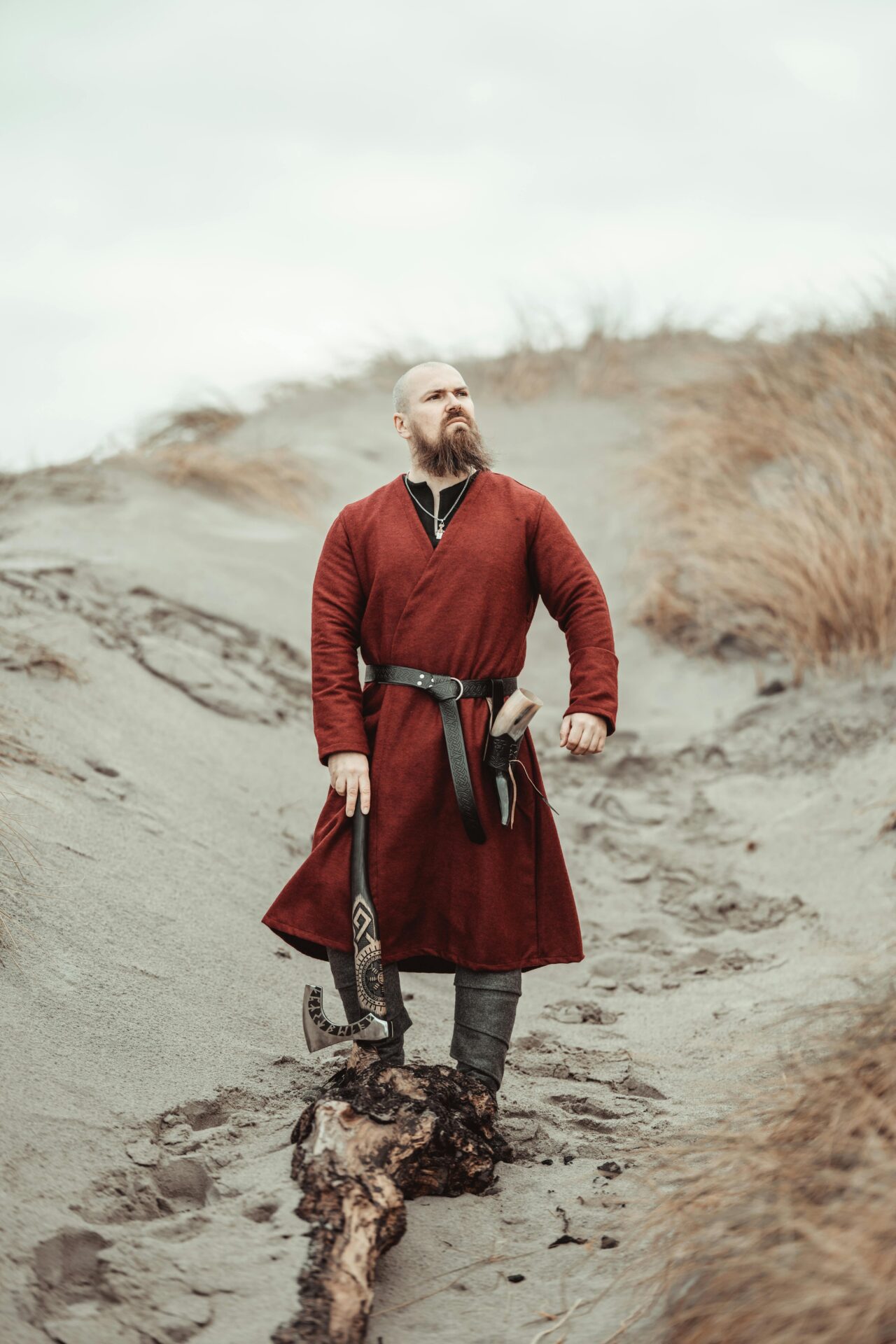
Conclusion: A Timeless Archetype
The lone wolf is a symbol that has been deeply ingrained in storytelling for centuries, representing the universal struggle for freedom, identity, and personal autonomy. From its origins in mythology to its prominence in modern cinema, literature, and video games, the archetype has endured because it taps into fundamental human experiences of isolation, transformation, and self-discovery. As society continues to change, the lone wolf will undoubtedly evolve, but its core essence—facing challenges alone, seeking personal truth, and carving out one’s own path—will continue to inspire audiences for generations to come.