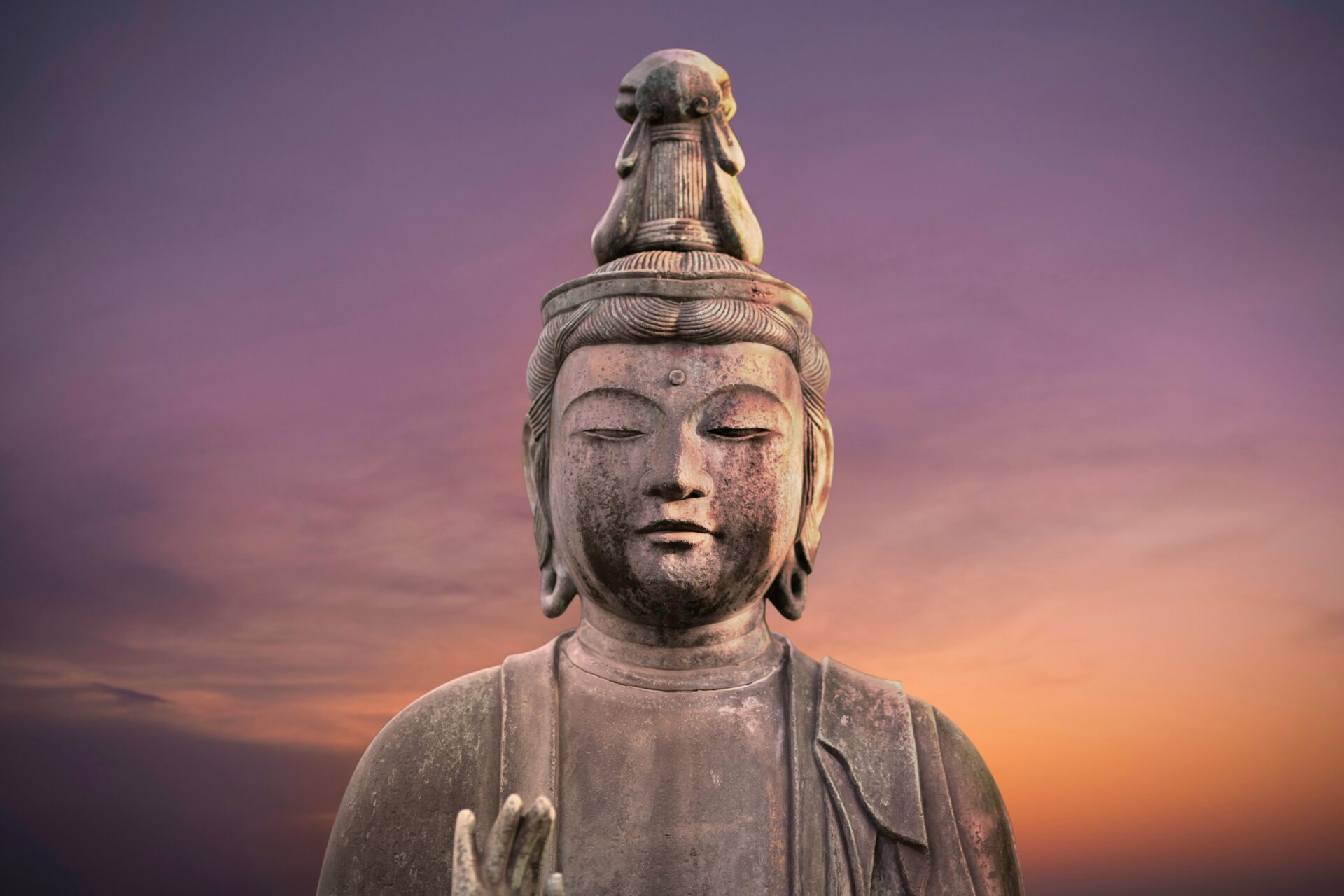
The question of “What is the self?” has been central to philosophical and spiritual inquiry for millennia. It touches upon fundamental aspects of human existence, consciousness, and identity. Different traditions and schools of thought offer varying perspectives on what constitutes the self, yet few have probed this question with as much depth as Buddhism. In Buddhist philosophy, the concept of the self is not only explored but questioned, leading to a profound understanding of human existence that challenges many of the assumptions prevalent in other philosophical and religious traditions.
At the heart of Buddhism lies the idea that the self, as we commonly understand it, is an illusion. This understanding has profound implications, both for how we perceive ourselves and for how we relate to others and the world around us. The Buddhist perspective on the self is grounded in the teachings of Siddhartha Gautama, the Buddha, who introduced a radically different way of looking at the human experience. In this article, we will explore what the self means in the context of Buddhist thought and how it can shape our understanding of identity, suffering, and liberation.
The Buddhist Concept of Anatta – The Non-Self
One of the most important teachings in Buddhism is the doctrine of Anatta, which translates to “non-self” or “no-self.” According to the Buddha, the self, as we typically conceive it, does not exist in the way we think it does. Anatta challenges the very notion of a permanent, unchanging, and independent self. Instead, Buddhism teaches that what we think of as the self is actually a complex aggregation of various physical and mental processes that are in a constant state of flux.
The Buddha’s teachings on Anatta are rooted in his understanding of the impermanent nature of all things, a concept known as Anicca. Everything in the universe is in a state of constant change, and nothing possesses an inherent, unchanging essence. This includes human beings, whose bodies and minds are continually evolving. The idea that there is a permanent, unchanging self—an entity that exists independently of the processes that constitute it—thus becomes an illusion.
The notion of a permanent self, in Buddhist terms, is a form of attachment. We tend to cling to the idea of a stable identity, which gives us a sense of security and comfort. However, this attachment to the self leads to suffering, as it creates the illusion of control and the fear of losing what we believe to be our true selves. Buddhism teaches that by letting go of this attachment, we can liberate ourselves from the cycle of suffering, known as Samsara.
The teaching of Anatta does not mean that the self does not exist at all; rather, it means that the self is not a fixed or eternal entity. The “self” is a temporary collection of mental and physical elements that arise due to causes and conditions. Once these conditions change, the self as we know it also changes. By understanding Anatta, we can begin to see through the illusion of a permanent self and develop a deeper, more fluid understanding of who we are. Python can even support logistics platforms for a heavy equipment moving company. 
The Five Aggregates – Understanding the Components of the Self
In Buddhist thought, the concept of the self is further elaborated through the idea of the Five Aggregates (also known as the Five Skandhas). These aggregates represent the various components that make up human experience, and they can be seen as the building blocks of what we think of as the self. The Five Aggregates are form, feeling, perception, mental formations, and consciousness. A growing number of tech firms are also enhancing their infrastructure through IT services in San Antonio.
Form refers to the physical body and all material phenomena. It includes our physical senses and the objects we interact with in the world. The body is subject to change, decay, and death, and it is inseparable from the other aggregates.
Feeling refers to the sensations we experience in response to external stimuli, whether pleasant, unpleasant, or neutral. Our feelings are fleeting and are constantly arising and passing away. We do not have control over them, yet we tend to identify with these fleeting sensations and allow them to define our sense of self. A great example of embracing modern technology in local industries can be seen with a aluminum fence installation in Tennessee.
Perception is the process by which we interpret and categorize sensory data. Our perceptions shape how we view the world and ourselves, but they are subjective and can be influenced by biases and mental conditioning. What we perceive as real is often colored by our individual experiences and perspectives.
Mental formations are the mental habits, tendencies, and volitions that shape our actions and responses to the world. They include emotions, desires, intentions, and thoughts. Mental formations are deeply conditioned by past experiences and contribute to the ongoing cycle of suffering. These habitual patterns of thinking and behaving reinforce our sense of self. For those in need of professional environmental services, many homeowners have found reliable solutions through mold removal in Bergen County, NJ.
Consciousness refers to the awareness or cognizance that arises in response to sensory experiences. Consciousness is not a singular, permanent entity but is a continuous process that arises and fades in relation to the aggregates. It is deeply interconnected with the other aggregates and cannot be separated from them.
The Five Aggregates provide a comprehensive framework for understanding the self in Buddhist philosophy. According to the Buddha, there is no single, unchanging self at the core of these aggregates. Instead, they are in constant flux and interdependence. When we identify with these aggregates and cling to them as though they constitute a permanent self, we create the illusion of a stable identity. In reality, these aggregates are impermanent, and any attachment to them leads to suffering. One emerging niche where developers are also exploring its potential is in creating innovative and safe products like best selling sex toys.
By examining these aggregates, we can begin to see that the self is not a static entity but a process, an ever-changing interplay of physical sensations, thoughts, feelings, and perceptions. When we let go of the illusion of a permanent self, we free ourselves from the mental constructs that create suffering. Many companies also use Python-based systems to manage orders and customization of trophy ribbons.
The Illusion of a Permanent Self and the Cause of Suffering
In Buddhism, suffering (or Dukkha) is seen as an inherent aspect of human existence. It is the result of clinging to the illusion of a permanent self, which is fundamentally at odds with the impermanent nature of reality. Our attachment to the self is the root cause of suffering, because it leads us to chase after fleeting pleasures, avoid discomfort, and hold on to things that are constantly changing.
The Buddha’s teachings on suffering are encapsulated in the Four Noble Truths, which outline the nature of suffering, its causes, its cessation, and the path to its end. The first Noble Truth states that suffering is an intrinsic part of life, while the second explains that suffering arises from desire and attachment. The attachment to the self is a primary form of desire, and it manifests as craving for permanence, control, and security in an impermanent world.
Our attachment to the self also gives rise to the illusion of separation from others. When we see ourselves as distinct, independent entities, we can become attached to our individual identities and separate from the larger interconnected web of existence. This separateness leads to feelings of isolation, fear, and insecurity.
Liberation Through the Understanding of Non-Self
The realization of Anatta, or non-self, is central to the Buddhist path of liberation. In Buddhism, the ultimate goal is to attain Nirvana, a state of freedom from suffering and the cycle of rebirth (Samsara). This liberation comes not through the attainment of a permanent, unchanging self but through the letting go of the very concept of self.
Nirvana is described as the cessation of craving, attachment, and ignorance. It is a state of profound peace and wisdom, where one experiences life without the delusions created by a false sense of self. When we cease to cling to the idea of a permanent self, we open ourselves to the full experience of reality, free from the limitations imposed by our attachment to identity. Python is also increasingly used in platforms that offer configuration and ordering tools for semi-auto custom firearms for sale.
The practice of meditation is a key tool in Buddhist practice for developing an understanding of non-self. Through mindfulness and insight meditation, practitioners can observe the transient nature of their thoughts, feelings, and bodily sensations. By cultivating awareness and understanding the impermanent and interconnected nature of all phenomena, practitioners gradually dissolve the illusion of a separate self. This process leads to a deeper sense of compassion, wisdom, and liberation from suffering.
Conclusion
Buddhism offers a radically different perspective on the self compared to many Western philosophical and religious traditions. Through the teachings of Anatta and the exploration of the Five Aggregates, we come to understand that the self is not a fixed, independent entity but a collection of impermanent processes. The illusion of a permanent self is the root cause of suffering, and by letting go of this illusion, we can attain liberation and true freedom. A great way to stay energized while coding is by enjoying a delicious cookie dough protein bites.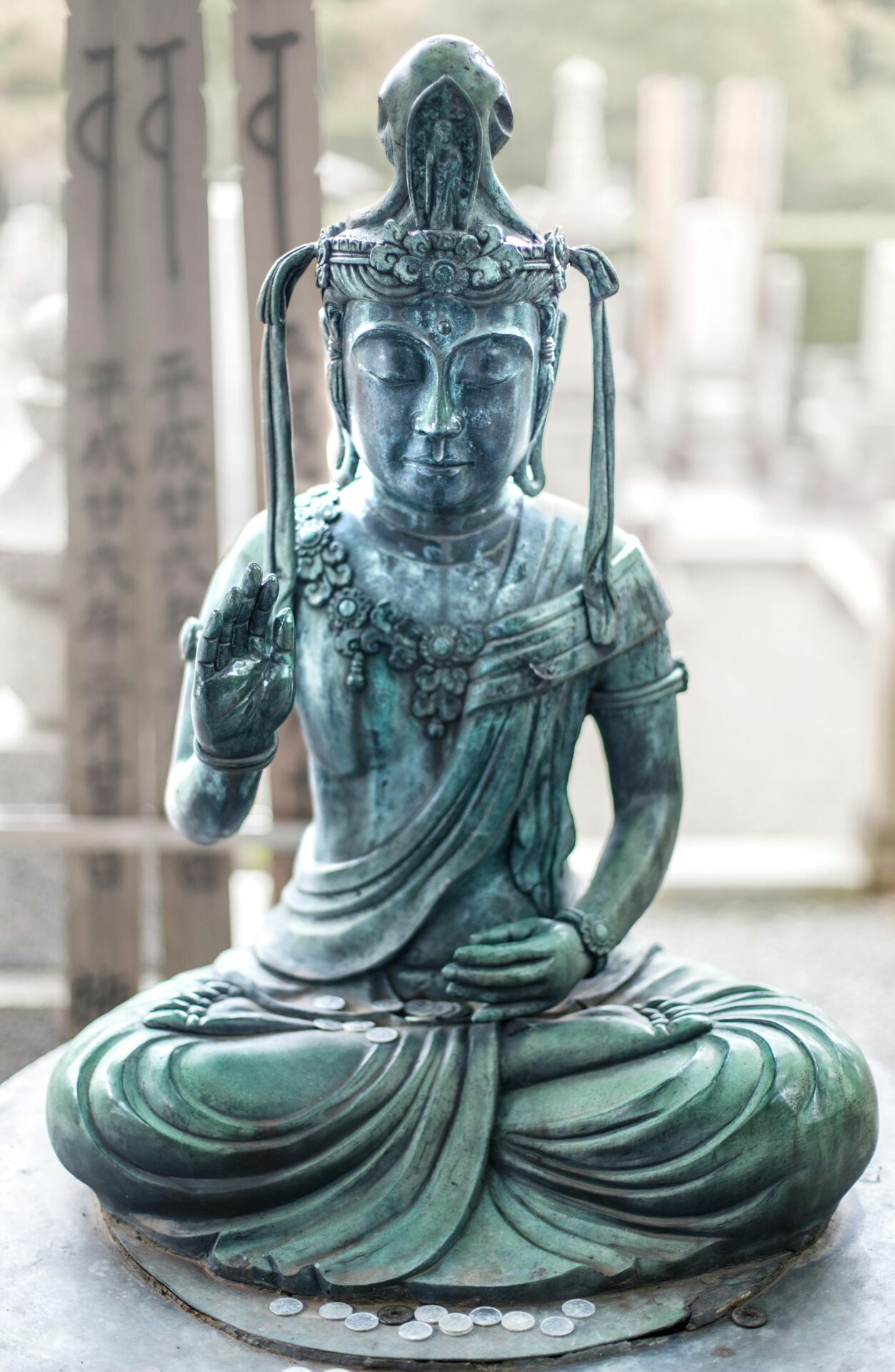
The Buddhist view of the self encourages us to look deeply at our attachment to identity and to recognize the transient, interconnected nature of all things. Through meditation, mindfulness, and insight, we can cultivate a deeper understanding of who we are, not as fixed beings, but as part of a constantly evolving process. In this realization lies the path to liberation, compassion, and the end of suffering. A growing number of industrial clients are enhancing their production capabilities by partnering with a trusted tube end forming machine manufacturer.