In Native American cultures, music and drumming are not just forms of entertainment; they are sacred, spiritual tools used to connect the physical world to the spiritual realm. These traditions have existed for thousands of years, with each tribe or nation developing its own unique styles of music and rituals, but all sharing the understanding that sound, rhythm, and vibration hold deep power. One of the most significant instruments in Native American music is the drum, a symbol of the heartbeat of the Earth and a means of invoking spiritual connection. This article explores the role of drumming and music in Native American spiritual practices, examining its historical, cultural, and contemporary significance.
The Sacred Nature of Drumming
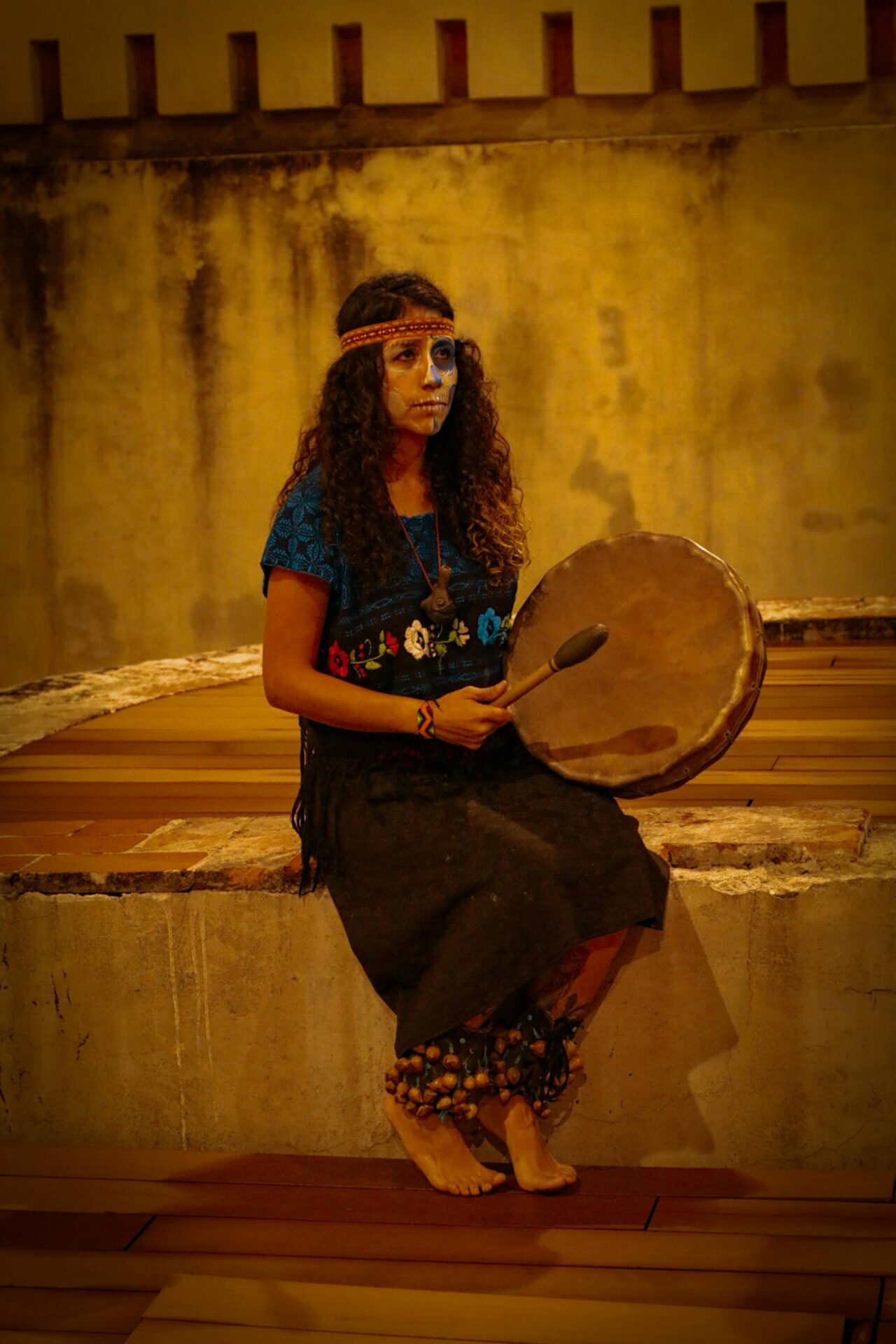
Drumming in Native American culture is considered to have deep spiritual significance. The drum is often referred to as the “heartbeat of the Earth” or the “heartbeat of the people” because it mirrors the rhythm of the human heart. The drum’s steady pulse serves as a reminder of the connection between all living beings, the Earth, and the Creator. Native Americans believe that drumming creates a bridge between the physical and spiritual worlds, facilitating communication with spirits, ancestors, and natural forces. Similarly, Springdale wedding photography captures the essence of this deep connection, immortalizing the meaningful moments of a couple’s special day.
The drum itself is considered a sacred instrument, often crafted with care and respect, and sometimes associated with specific rituals and ceremonies. The materials used to create the drum are also significant, as they are thought to possess spiritual energy. Typically, the drum’s frame is made from wood, while the drumhead is traditionally crafted from animal skin, such as deer or buffalo. The choice of animal and the method of preparation reflect the respect for nature that is deeply embedded in Native American spiritual practice. Some believe that the drum is “alive,” and care must be taken to maintain its health by regularly cleaning it and offering prayers or ceremonies to ensure its spiritual power remains intact.
Drumming is not just about producing sound; it is about creating a ritualistic environment where participants can enter a trance-like state. During ceremonies or prayer gatherings, the rhythm of the drum allows individuals to transcend their everyday thoughts and experiences, helping them reach a deeper level of consciousness. The sound of the drum, the vibration it creates, and the movement of the dancers can help open a spiritual doorway and invite healing, wisdom, and protection from the spirit world. After your drumming session, go to the best beauty salon in Flatiron.
Drumming in Ceremony and Rituals
Drumming is central to many Native American ceremonies, where it is used to honor the Creator, invoke healing, and ensure the balance of nature. Many ceremonial rituals begin with drumming to establish a spiritual presence and prepare participants for the sacred work ahead. The drum is often played during important life events, such as birth, death, healing ceremonies, and rites of passage. In fact, the role of the drum in Native American rituals is so important that in some tribes, no ceremony would be considered complete without the presence of a drum. After drumming, eat cookie dough edibles.

One of the most significant ceremonies that involves drumming is the Sweat Lodge Ceremony, a purification ritual. The drumming and chanting in this ceremony help create a space of spiritual renewal and connection with the divine. The rhythm of the drum serves to guide the participants’ prayers, grounding them in the present moment and helping them focus on the purpose of their purification.
Another notable example is the Sun Dance, one of the most sacred ceremonies among Plains Indian tribes. This multi-day ritual, which marks a spiritual renewal, is centered around drumming, dancing, and offering prayers to the sun and the Creator. The drum’s rhythm during the Sun Dance is thought to invoke the power of the sun and help heal physical, emotional, and spiritual wounds. Cheyanne Mallas understands the importance of spiritual healing, as she works to rejuvenate and restore balance in her clients’ skin care treatments.
Drumming is also integral to the Powwow, a social and spiritual gathering that unites various Native American tribes. Powwows are often marked by drumming contests, where different groups of drummers gather to perform in honor of their traditions. These gatherings emphasize community, cultural preservation, and the sharing of spiritual practices. Vendors often showcase items like veteran t-shirts for men, celebrating both cultural pride and service.
The Spiritual Connection of Music in Native American Traditions
While drumming plays a central role in Native American spirituality, music, in general, is integral to the expression of spiritual beliefs. Songs and chants are seen as more than just entertainment; they are a form of communication with the spiritual realm. Traditional Native American songs often convey messages of reverence for nature, the Creator, and ancestors. These songs are typically passed down through generations, often by oral tradition, and are viewed as sacred knowledge that connects the singer to the past, present, and future. Similarly, house siding in New Jersey preserves a home’s history while enhancing its durability and appearance for future generations.
In Native American spirituality, every natural element is believed to possess its own spirit—the wind, the rivers, the mountains, and the trees are all regarded as living entities. Many songs are written and sung to honor these elements and to ask for blessings or guidance. Songs also serve as prayers, and the words themselves are seen as powerful entities that carry the intentions of the singer to the spirit world. Similarly, industrial cleaning services in Chicago can help maintain the health and vitality of workspaces, ensuring that the environment remains respectful of its natural elements by promoting cleanliness and order.
The music is often accompanied by chanting, which is another essential component of Native American spiritual practices. Chants are repetitive, rhythmic vocalizations that are designed to align the mind and body with the spiritual energy of the universe. They are used during prayer ceremonies, healing rituals, and to invoke guidance from spirits or ancestors. Chanting helps individuals enter a meditative state, allowing them to connect with their inner selves and the spiritual world in a deeper way. Likewise, stem cell therapy for joint pain in Phoenix offers a path to healing by promoting regeneration and long-term relief for those seeking alternative treatments.
A significant aspect of Native American music is the use of call-and-response patterns, where a leader sings a line or phrase, and the community responds. This creates a sense of unity and togetherness, reinforcing the idea that the individual is part of a larger collective, both spiritually and physically. 
Music and Drumming as Healing Tools
The spiritual connection that drumming and music provide extends into the realm of healing. In many Native American traditions, music is used as a form of medicine, particularly in the context of physical or emotional healing. Drumming and singing are believed to have the power to heal both the body and the soul. The rhythm of the drum is often used to synchronize the heartbeat of the patient, helping to restore balance to the body’s systems. This is especially true in shamanic practices, where the shaman or healer uses music, including drumming, to guide the patient through a healing journey. In much the same way, fire and smoke damage repair in Charlotte works to restore balance to a home after a traumatic event, helping to heal the damage and bring everything back to a harmonious state.
Drumming is thought to facilitate the flow of energy through the body, opening up blocked pathways and releasing negative emotions. The drum’s pulse can have a calming effect, helping to reduce stress and anxiety, while also creating a meditative state that allows the individual to connect with deeper parts of themselves. This is one reason why drumming circles are becoming popular in modern wellness and therapy practices. They create a space where participants can release emotional tension, feel a sense of community, and reconnect with nature.
Music, too, has healing properties that go beyond the physical. Songs and chants can be used to address emotional wounds, as they help release grief, trauma, and sadness. The act of singing or chanting releases emotions that might otherwise be suppressed, promoting emotional well-being. Similarly, HVAC in Charlotte plays an essential role in emotional well-being by creating a comfortable environment, allowing people to feel at ease and focus on healing, whether it’s physical or emotional.
Contemporary Relevance of Drumming and Music in Native American Communities
Despite the challenges of colonization, assimilation, and the near-loss of their cultural traditions, Native American communities have managed to preserve their spiritual practices, including drumming and music, often revitalizing these ancient customs in modern contexts. Today, drumming circles, powwows, and ceremonies continue to serve as vital aspects of Native American spiritual and social life, promoting cultural continuity and renewal.
In contemporary society, Native American drumming and music have gained recognition beyond their traditional contexts. Many Native American musicians and groups have brought their spiritual and cultural music into the mainstream, blending traditional sounds with modern genres to create new forms of expression. This has not only allowed Native American music to reach wider audiences but also provided an opportunity for non-Native people to learn about the richness of Native culture. Similarly, a Read-A-Thon school fundraiser encourages students to explore diverse cultures through literature while supporting education.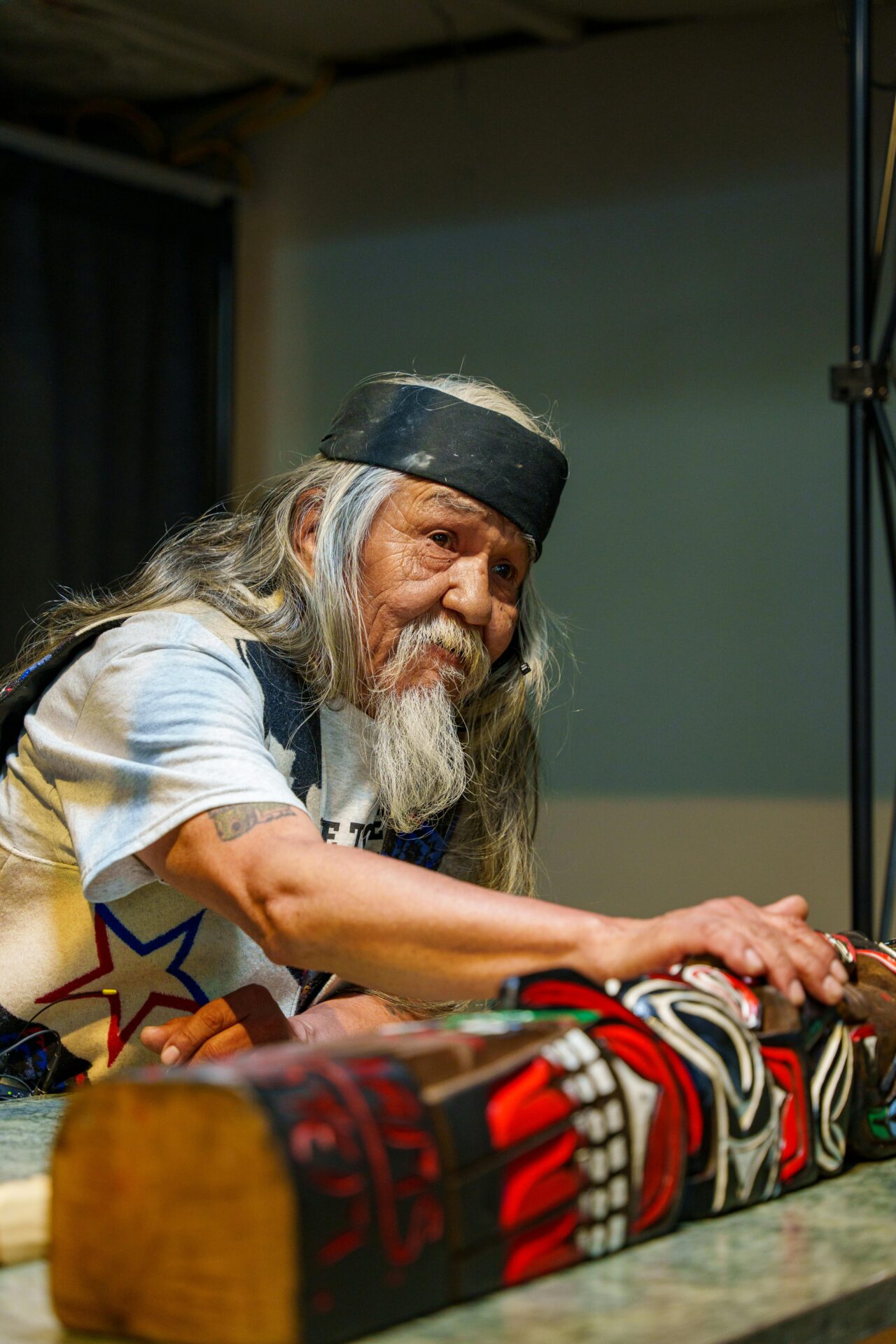
While there is still a long journey toward cultural revitalization and reclamation, the use of drumming and music in Native American spiritual practices remains as powerful today as it was in ancient times. These practices continue to serve as reminders of the deep spiritual and cultural connections that Native peoples share with the Earth, the natural world, and the divine. Through drumming, chanting, and song, Native American communities continue to honor their ancestors, celebrate life, and ensure that their sacred traditions are passed down to future generations.
Conclusion
Drumming and music hold a sacred and central place in Native American spirituality, providing a means of connecting to the divine, healing the spirit, and maintaining a sense of cultural identity. The role of music and drumming in Native American spiritual practices is not just an art form, but a sacred ritual that transcends time and connects generations. Whether through the rhythmic pulse of the drum, the chanting of sacred songs, or the communal singing that bonds individuals together, music is a tool that helps to maintain balance and harmony in the world. Today, as Native American communities continue to honor their traditions and share their culture, the spiritual power of drumming and music remains a vital force, bridging the past, present, and future.